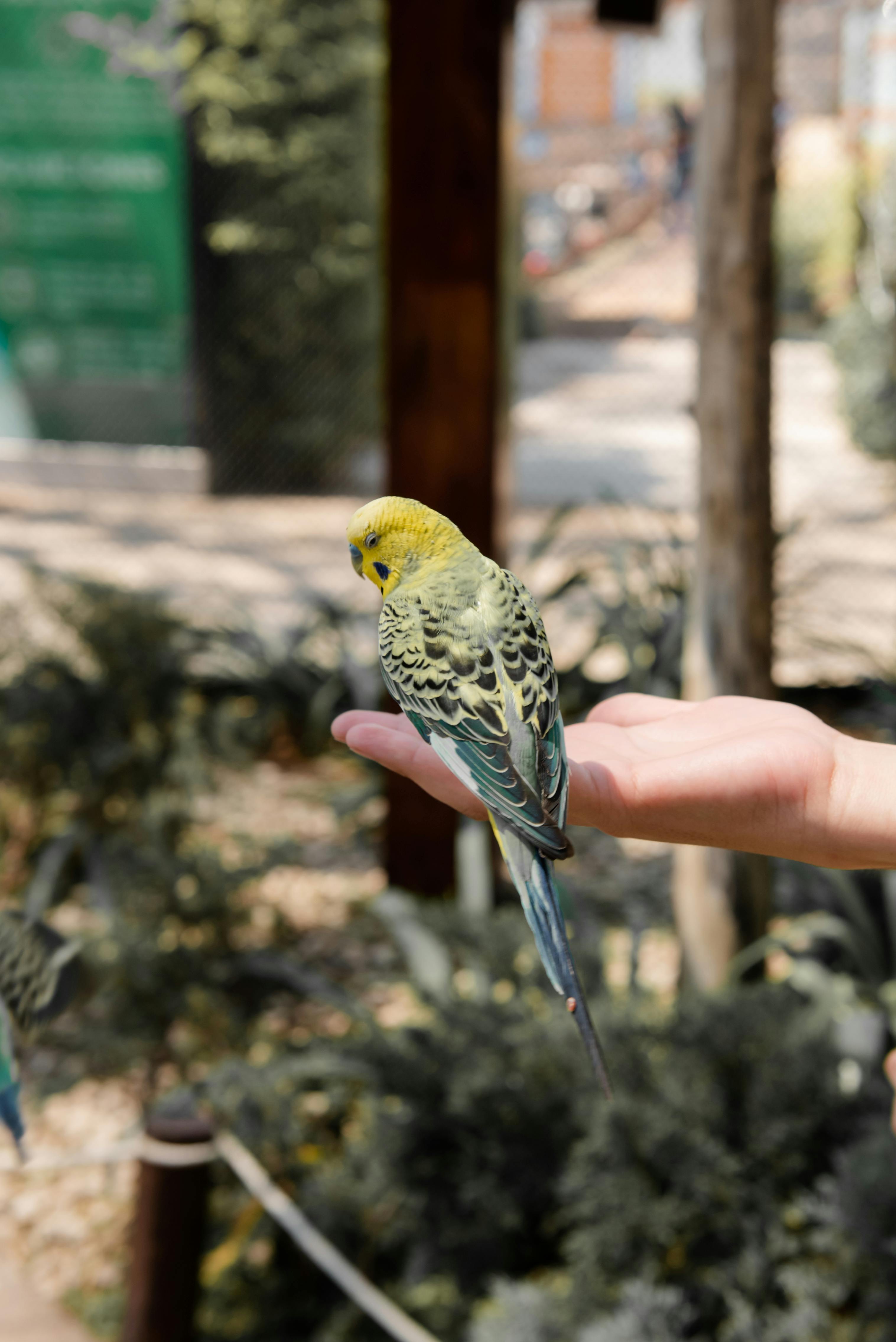
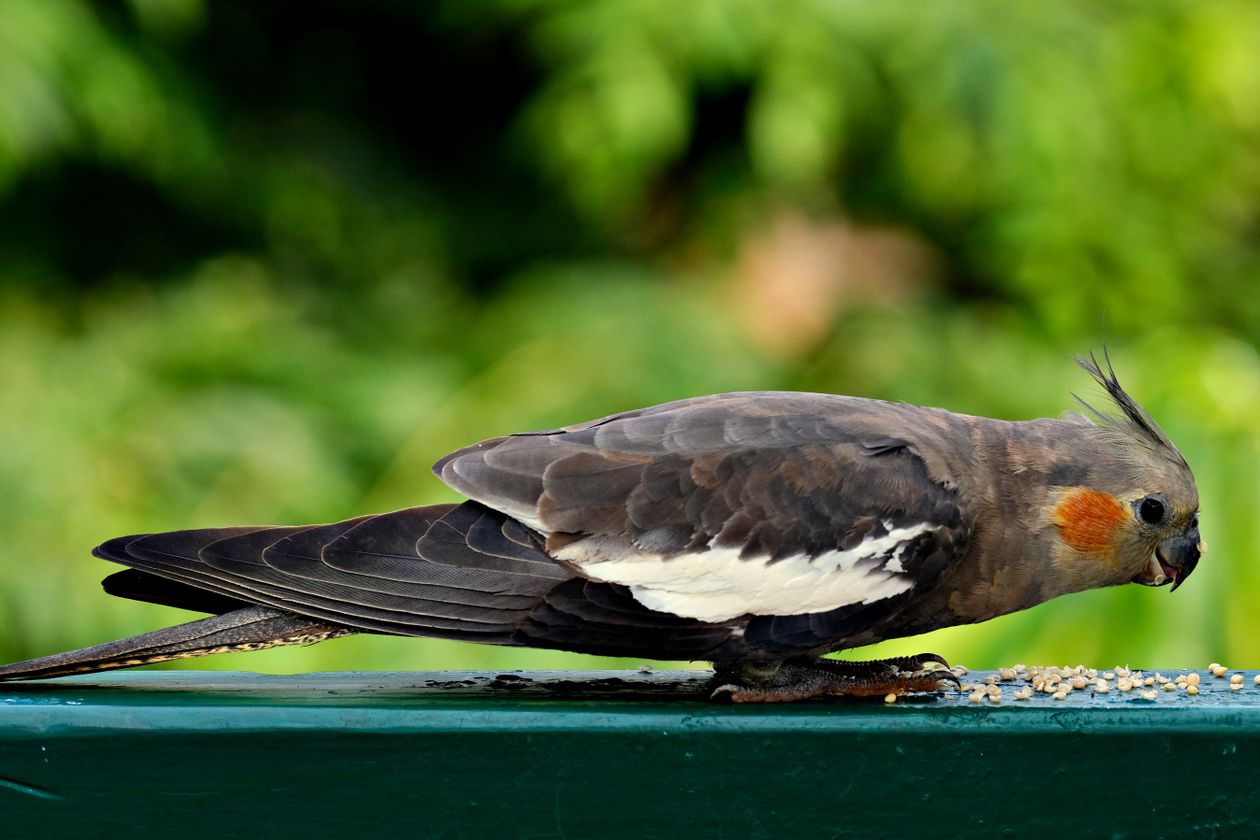
Cockatiel Food Guide: Pellets, Seeds, Vegetables & Toxic Foods
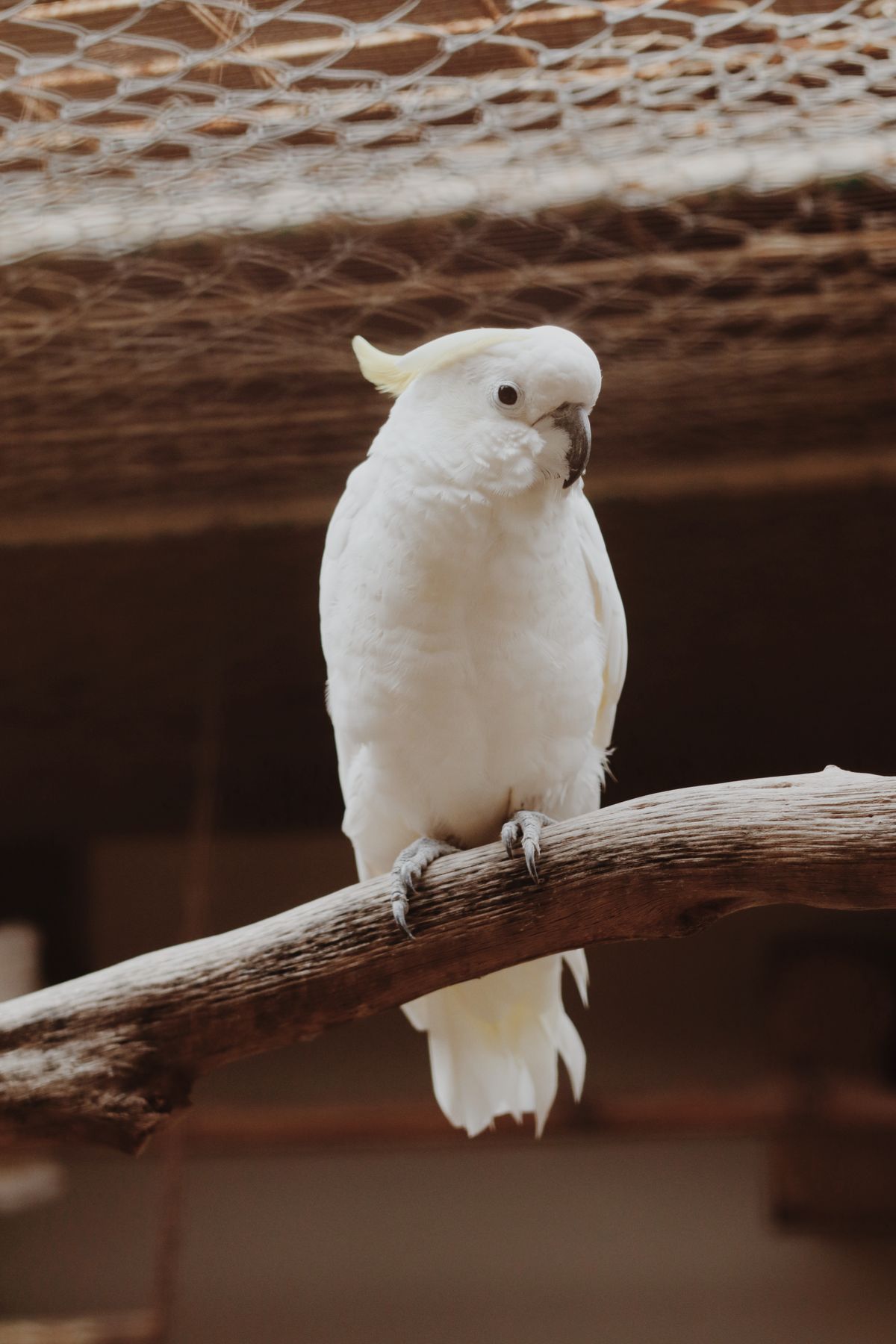
Feed a cockatiel with a source-aware diet framework covering pellets, controlled seeds, vegetables, fruit, toxic foods, water, safe diet conversion and weight monitoring.
20 min
Read66
19 articles found • Page 2 of 3
Feed a cockatiel with a source-aware diet framework covering pellets, controlled seeds, vegetables, fruit, toxic foods, water, safe diet conversion and weight monitoring.
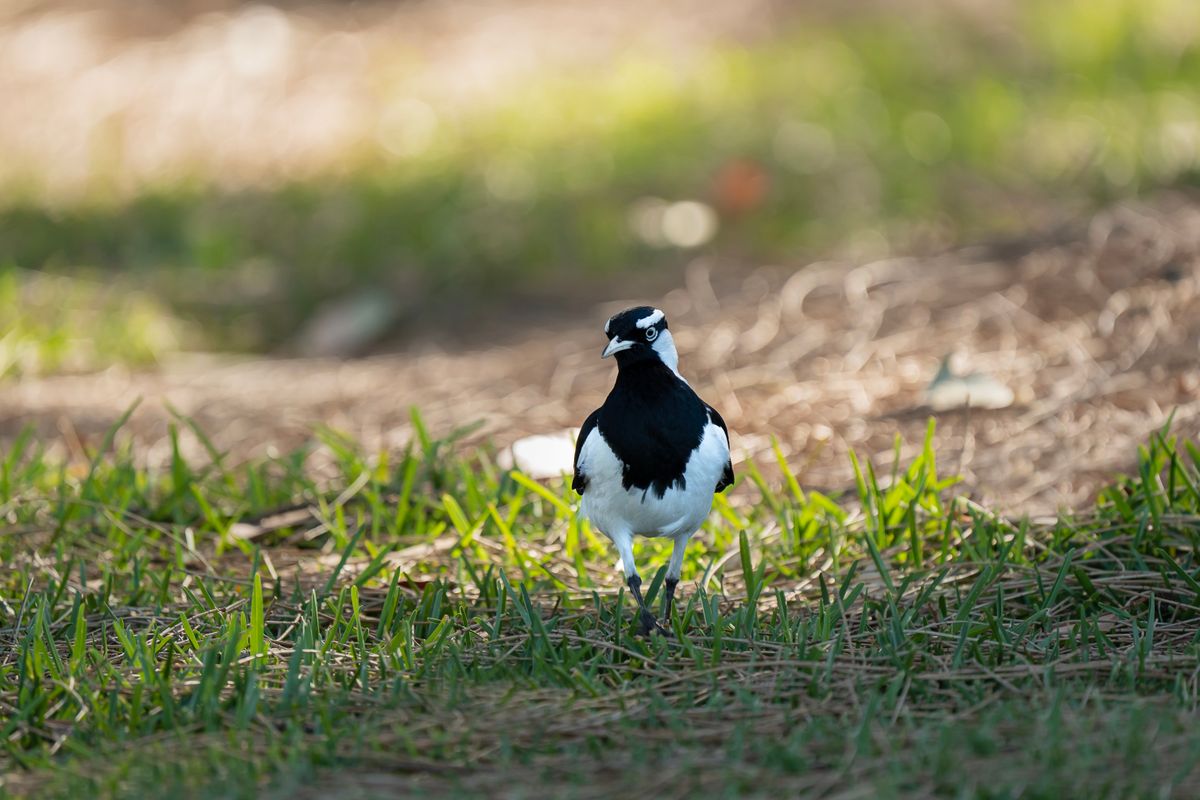
A fully feathered baby magpie on the ground is often a normal fledgling still being fed by its parents. This Australia-specific guide explains how to tell a fledgling from a nestling, when to move or rescue the bird, what to do after cat or dog contact, how to re-nest a young chick, who to call, and when current H5 bird-flu guidance means you should not touch the bird at all.
More than 500,000 pets are euthanized every year in the US because their owners died without a plan. A pet trust — legal in all 50 states — is the only way to ensure your dog or cat receives proper care after you're gone. But most guides skip the hard parts: what it actually costs, how much to fund it, which states have the strongest laws, the three mistakes that make trusts fail, and the honest answer to 'can I just leave my pet to my sister?' This is the complete 2026 guide.
A sudden increase in screaming can be normal communication, a response to fear or environmental change, a learned attention-seeking pattern, reproductive behaviour, or a sign that your parrot is unwell. Updated September 4, 2026: how to triage screaming with body language and appetite, why sound alone cannot diagnose pain, when open-mouth breathing or cage-floor sitting is an emergency, how to use an ABC behaviour log, how to reinforce quieter alternatives without ignoring genuine distress, and which enrichment and veterinary steps are safest.
A parrot that is barely moving, sitting low, fluffed or closing its eyes can be critically ill even if it is still breathing. This 2026 guide explains when the situation is an emergency, safe supportive warmth, why force-feeding and home cloacal temperature checks can be risky, and urgent causes including respiratory toxins, trauma, heavy-metal poisoning and egg binding.
Your parrot has foam or fluid coming from its mouth. This is ALWAYS an emergency. It could be poisoning (teflon, heavy metals), a severe crop infection (trichomoniasis, candidiasis), a respiratory crisis, or a foreign body. This 2026 guide helps you differentiate the causes, provides life-saving first aid steps, and tells you when you have minutes, not hours, to act.
Parrot suddenly biting? Don't assume it's just puberty or hormones. Learn the evidence-based causes—fear, overstimulation, territoriality, learned biting, reproductive behavior and pain—plus body-language clues, avian-vet red flags and a reward-based management plan.
Your parrot suddenly started biting out of nowhere? It's likely bluffing (puberty phase) or hormonal season — and the treatments are completely different. Timing, age, and body language signals tell you which. Includes species-specific age tables, 9 body language signals, wrong-vs-right reaction guide, and 5-step protocol.
Lineolated Parakeets (Linnies, Bolborhynchus lineola) can mimic human speech and household sounds, but there is no reliable promise that every bird will talk, learn a certain number of words, or say a first word within 3–6 months. Updated September 3, 2026: realistic expectations, welfare-friendly training, what research on parrot vocal learning can and cannot tell us, pair/social housing, and clear FAQ.