
Last updated: September 24, 2026
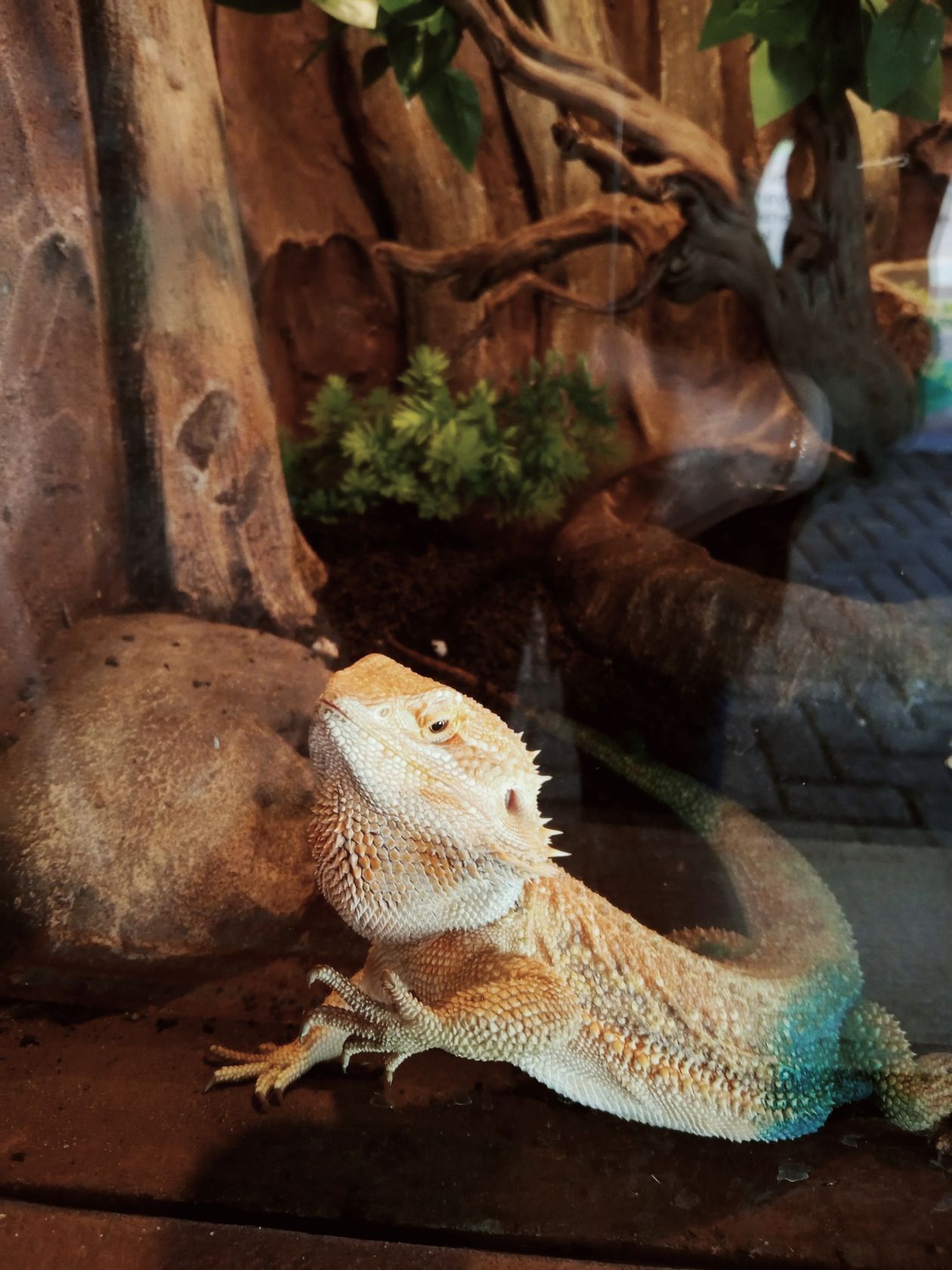
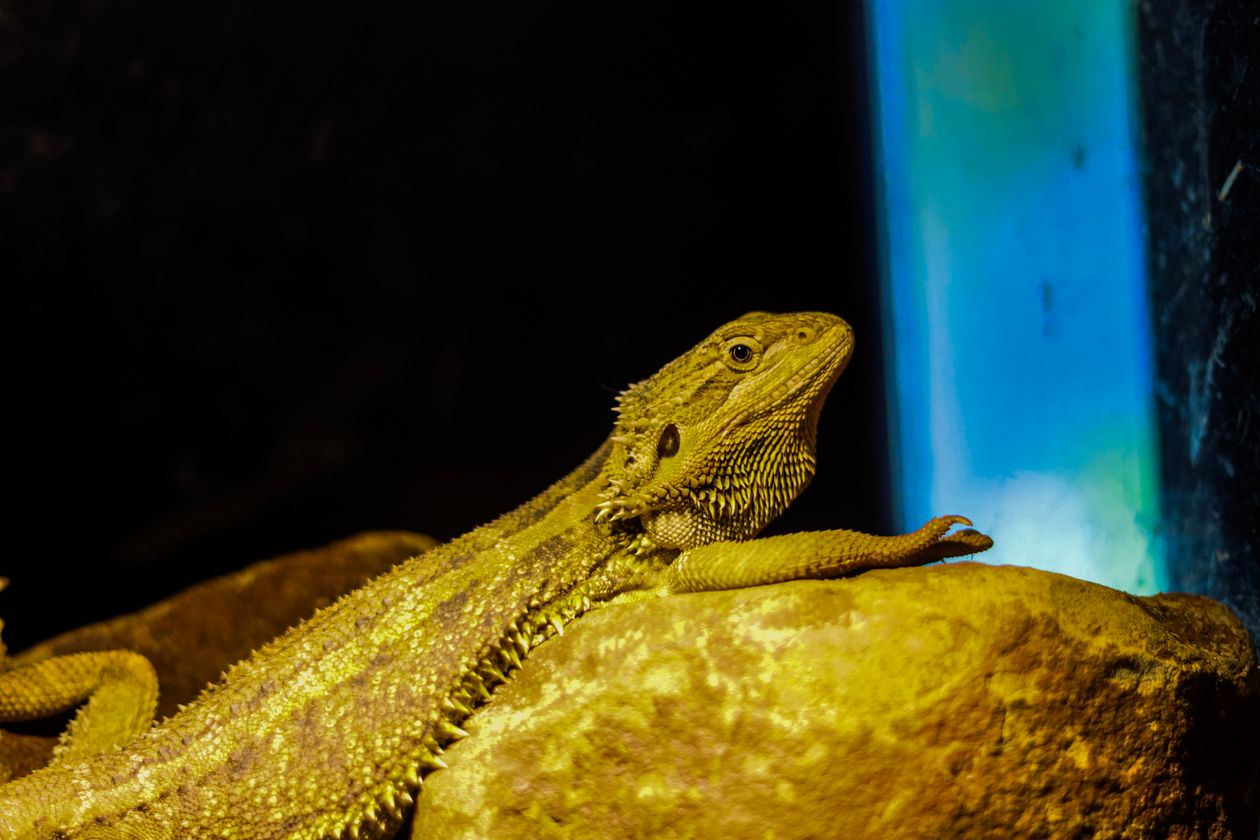
Quick answer: bearded dragons are omnivores, but their diet changes with age. Young dragons need proportionally more live insects for growth; adults should shift toward a plant-dominant diet built around varied leafy greens and vegetables. The exact insect-to-plant percentage is not identical across reputable veterinary and welfare sources, so treat age, body condition, growth, UVB, and your reptile veterinarian's advice as more important than chasing one universal ratio.
The four-part diet rule: 1) offer age-appropriate live feeders, 2) rotate nutrient-rich greens and vegetables, 3) gut-load and supplement feeders appropriately, and 4) remember that calcium nutrition only works properly when husbandry—including UVB and heat—is correct.
Bearded Dragon Diet by Life Stage
The age trend is clear across VCA, RSPCA, NC State Veterinary Hospital, and the July 2026 PetMD diet guide: young dragons are more insect-heavy; adults become more plant-heavy. What changes between sources is the exact percentage and feeding frequency.
| Life stage | Practical diet direction | Feeding pattern supported by current sources |
|---|---|---|
| Hatchling / very young baby | Mostly appropriately sized live insects, but introduce greens early | PetMD: small meals 2–3 times daily; RSPCA: babies twice daily |
| Growing juvenile | Still insect-forward, with fresh greens/vegetables offered consistently | RSPCA: young dragons about 65% livefood / 35% greens; PetMD: juveniles roughly 70% insects / 20–30% vegetables |
| Older juvenile / transition | Gradually increase the plant share as linear growth slows | Do not flip the diet overnight; use size, growth trend and body condition |
| Adult | Plant-dominant, with live insects retained as a smaller part of the diet | RSPCA: dragons over 30 cm about 40% livefood / 60% greens; PetMD: adults roughly 70–80% plant foods, live insects several times weekly |
VCA takes a broader approach and describes a general diet around 50% plant material and 50% animal material, while emphasizing that the ratio changes with age. That disagreement is useful: it reminds owners that feeding charts are frameworks, not laboratory formulas.
If you are trying to decide whether your dragon is juvenile-sized or approaching adult size, Patify's full-grown bearded dragon size guide explains total length, SVL, growth trend, and adult body-size context.
Why Reputable Bearded Dragon Food Charts Give Different Percentages
Captive reptile nutrition is still an evolving field, and major sources do not all use the same denominator. One source may describe the percentage of food offered, another the proportion of plant material within the plant portion, and another a weekly feeding schedule rather than a precise gram ratio.
For example:
- RSPCA: roughly 65% livefood / 35% greens for young dragons, shifting toward 40% livefood / 60% greens in dragons over 30 cm.
- PetMD (2026): juveniles around 70% insects and adults around 70–80% vegetables/greens, with fruit kept very small.
- VCA: a general 50/50 plant-animal framework, explicitly modified by age.
- NC State Veterinary Hospital: adults described as about 50% dark leafy greens, 20% vegetables, 25% animal matter, and up to 5% fruit.
Use the overlap, not the argument: babies need more insect nutrition, adults need more plant matter, variety matters, feeders should be gut-loaded, calcium/UVB matter, and excess high-fat animal food can create obesity.
This topic was flagged for expert review in Patify's planning inventory, so this page does not claim to replace a reptile veterinarian's personalized feeding and supplement plan.
Best Greens and Vegetables for Bearded Dragons
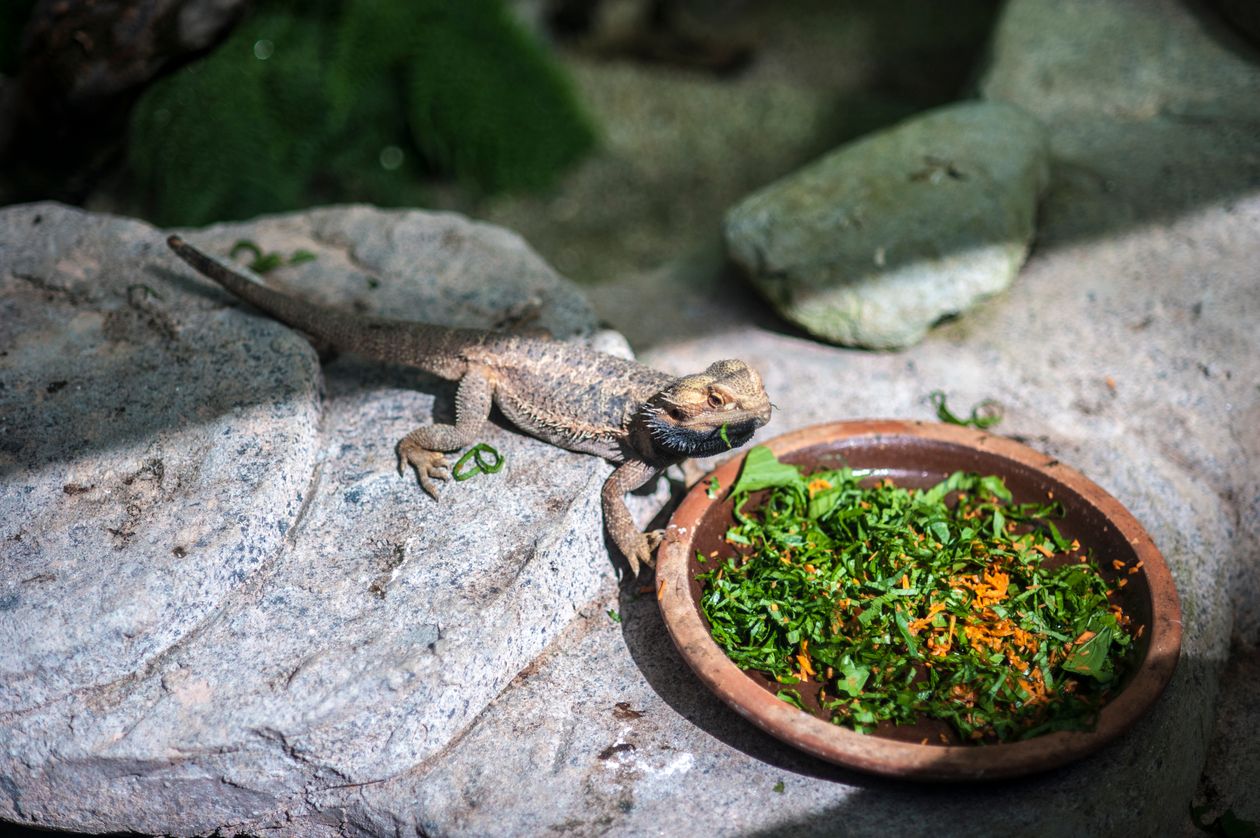
The plant bowl should not be one lettuce leaf every day. VCA recommends variety and notes that most plant material should come from leafy greens. RSPCA similarly recommends rotating safe greens and vegetables.
| Food | How to use it | Notes |
|---|---|---|
| Collard greens | Strong rotation staple | Widely recommended by veterinary sources |
| Mustard greens | Rotate with other leafy greens | Do not make any one green the entire diet |
| Turnip greens | Good rotation green | Chop to manageable pieces |
| Dandelion greens | Useful rotation green | Only use wild plants if confidently identified and free of pesticide/herbicide exposure |
| Watercress / rocket (arugula) | Rotate for variety | RSPCA includes both among safe greens |
| Chicory / escarole | Useful leafy rotation | Both appear in veterinary feeding lists |
| Bok choy | Rotation item | VCA includes it among acceptable vegetables |
| Butternut / other squash | Chopped or grated vegetable component | RSPCA and veterinary sources commonly include squash |
| Bell pepper | Small chopped component for variety | Mix into a broader salad |
| Green beans / okra / zucchini | Vegetable rotation | Useful variety alongside leafy greens |
What about kale, cabbage, spinach, and beet greens?
This is where internet lists often become too absolute.
- Spinach and beet greens: VCA says to feed sparingly because oxalates can interfere with calcium and trace-mineral absorption; RSPCA advises avoiding spinach.
- Kale and cabbage: VCA and RSPCA warn against excessive use because goitrogenic compounds may interfere with thyroid function when overfed. They are not universally described as “poisonous.”
The practical lesson is rotation. Do not build the entire plant diet around one leaf—especially one specifically flagged for oxalates or goitrogens.
How Much Fruit Can a Bearded Dragon Eat?
Fruit should be a small part of the diet, not the salad base. The 2026 PetMD guide places fruit at 5% or less; NC State also caps adult fruit at about 5%. VCA allows fruit as a limited portion of the plant component and emphasizes its lower mineral value.
Examples listed by veterinary sources include:
- papaya;
- melon;
- strawberry;
- blueberry;
- mango;
- apple;
- fig;
- peach or apricot.
Use fruit as variety or a small topper. A dragon that learns to pick berries out of every salad while leaving the greens is not receiving a balanced plant diet.
Best Feeder Insects: Build a Rotation, Not a Single-Insect Diet
VCA, RSPCA, NC State, and PetMD all recommend live feeder insects as part of an age-appropriate diet. Good options include:
| Feeder | Role | Important note |
|---|---|---|
| Dubia roaches | Useful staple/rotation feeder where legal and available | Gut-load before feeding |
| Crickets | Common staple/rotation feeder | Remove uneaten insects; they may bite the dragon |
| Black soldier fly larvae / calciworms | Useful rotation feeder | Still part of a varied diet rather than the only food |
| Silkworms | Rotation feeder | VCA lists as appropriate |
| Hornworms | Rotation / high-moisture feeder | Use as part of variety, not the complete insect diet |
| Mealworms | Rotation item | Source recommendations differ by age and frequency; do not rely on them alone |
| Superworms | Occasional feeder | VCA recommends sparing use because of high fat |
| Waxworms | Treat / occasional feeder | High fat; VCA specifically warns against daily use |
A feeder rotation improves dietary variety and makes it less likely that one insect's nutritional limitations dominate the entire diet.
Never feed fireflies/lightning bugs. VCA explicitly warns that fireflies are generally toxic to lizards. Also avoid collecting random wild insects from yards or gardens because of pesticide, fertilizer, parasite, and species-identification risks.
Gut-Loading and Feeder Size: Two Details That Change the Value of an Insect Meal
Gut-loading
Gut-loading means feeding insects a nutritious diet before they become food for the dragon. Reputable sources agree on the principle but differ on timing:
- VCA describes gut-loading within roughly 12 hours before feeding;
- RSPCA recommends an appropriate gut-loading diet about 24–48 hours beforehand;
- NC State describes 24–72 hours.
Rather than pretending one interval is universally correct, follow the instructions for the feeder/gut-loading product you use and your reptile veterinarian's plan.
Feeder size
Oversized prey is unnecessary. RSPCA says livefood should be no bigger than the dragon's mouth; NC State says insects should not be wider than the dragon's head; PetMD gives a smaller head-width guideline for hatchlings. The common message is simple: choose appropriately sized prey, especially for babies.
Calcium, Vitamin D3, UVB, and Supplements Work as One System
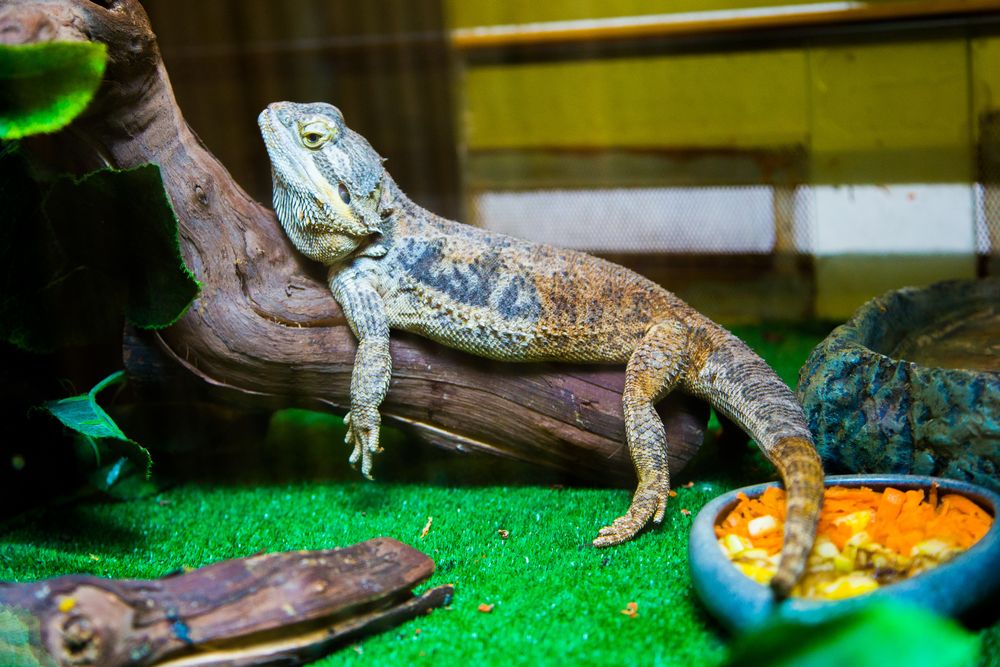
Calcium powder cannot compensate for broken husbandry.
Merck Veterinary Manual describes nutritional secondary hyperparathyroidism/metabolic bone disease in reptiles as a problem associated with an incorrect calcium-to-phosphorus balance, vitamin D3 deficiency, inadequate UVB, and inappropriate thermal provision. UVB supports vitamin D3 biology and calcium regulation, while correct basking temperatures support normal reptile metabolism.
Why this guide does not give one universal supplement calendar
Veterinary sources use different schedules:
- VCA describes phosphorus-free calcium supplementation and separate D3-containing calcium several times weekly, while also warning that inappropriate supplementation can be harmful.
- PetMD recommends calcium dusting plus a reptile multivitamin one to two times weekly.
- RSPCA says to follow the supplement manufacturer's instructions and notes that a well-designed UV system changes how much dietary D3 is needed.
Best practice: choose a supplement system with an experienced reptile veterinarian who knows your UVB lamp, lamp distance, diet, age, reproductive status, and the exact calcium/multivitamin products you are using. Do not stack multiple powders because more calcium or vitamin D3 is not automatically safer.
Foods and Feeding Practices to Avoid
| Avoid / limit | Why |
|---|---|
| Fireflies / lightning bugs | VCA specifically warns they are toxic to lizards |
| Random wild-caught insects | Pesticide, fertilizer, parasite, and identification risk |
| Dog food / cat food / rabbit food | PetMD does not recommend these as bearded-dragon foods; nutrient profiles are designed for other species |
| Raw meat and eggs | PetMD advises against them as inappropriate animal-protein sources for a normal beardie diet |
| Waxworms / superworms as daily staples | High-fat feeders can promote excess calorie intake |
| Fruit-heavy salads | Fruit should remain a small portion of the diet |
| Spinach-heavy salad | Oxalate concerns; VCA says sparingly and RSPCA advises avoiding it |
| Single-food diets | Increase nutritional imbalance risk |
| Commercial pellets as the only food | PetMD recommends commercial diets only as a supplement to fresh plant matter and live insects |
| Leaving uneaten live insects in the enclosure | Crickets and some other feeders can bite or stress the dragon |
Also avoid feeding directly on loose particulate substrate when prey capture could lead to substrate ingestion. VCA specifically warns against feeding reptiles on particulate bedding for that reason.
Bearded Dragon Weekly Feeding Planner
This is a planning framework, not a veterinary prescription. It intentionally leaves exact insect counts and supplement doses blank because those depend on age, size, body condition, feeder size, UVB setup, and the product used.
Adult example: plant-dominant week
| Day | Plant bowl | Live feeders | Owner check |
|---|---|---|---|
| Monday | Collard + squash + small bell pepper | Age/body-condition appropriate feeder session | Remove leftovers; note appetite |
| Tuesday | Mustard + dandelion greens | None or per veterinarian plan | Refresh water |
| Wednesday | Turnip greens + green beans | Rotate to a different feeder species | Check stool and activity |
| Thursday | Watercress/rocket + squash | None or per veterinarian plan | Observe basking |
| Friday | Collard + chicory/escarole | Age/body-condition appropriate feeder session | Weigh periodically, not obsessively |
| Saturday | Mixed safe greens + vegetable rotation | Optional according to individual plan | Inspect feeder supply/gut-load |
| Sunday | Fresh varied salad; tiny fruit treat only if desired | Based on weekly total/body condition | Plan next week's rotation |
Growing juvenile: different priority
For a juvenile, greens should still be offered consistently, but insect feeding is more frequent because growth demands are higher. Do not copy the adult planner and simply add one extra cricket day. Use a juvenile-specific veterinary plan based on the dragon's age, actual size, growth curve, and body condition.
The transition toward an adult plant-heavy diet should be gradual as growth slows.
How Much Food Should You Actually Offer?
This is where rigid internet charts can create both underfeeding and obesity.
VCA says most young dragons eat once or twice daily and that adults may eat every 24–72 hours depending on appetite. PetMD gives more frequent hatchling meals, daily juvenile food, and plant-dominant adult feeding with insects several times weekly. RSPCA feeds babies twice daily and juveniles/adults once daily.
Those differences mean you should judge portions by:
- life stage;
- growth rate;
- SVL/total size;
- body condition;
- reproductive status;
- activity;
- the energy density of the feeder insects;
- the dragon's veterinary/husbandry history.
A dragon that always accepts waxworms is not necessarily “still hungry.” Highly palatable high-fat feeders can encourage excess calorie intake.
What if My Bearded Dragon Refuses Greens?
Young dragons commonly prefer moving prey, but you still want plant foods to be familiar before adulthood.
Useful low-risk strategies include:
- offer fresh greens consistently from a young age;
- chop or shred produce into manageable pieces;
- rotate greens rather than presenting the same salad indefinitely;
- serve fresh plant food early in the active day;
- avoid filling an adult on excessive insects immediately before offering salad;
- remove spoiled food rather than leaving it all day;
- review temperature/UVB if appetite is generally poor.
Do not use prolonged fasting or aggressive food restriction on a growing, underweight, ill, or recently adopted dragon without veterinary guidance.
Water and Hydration
VCA and RSPCA recommend keeping fresh, clean water available. RSPCA notes that bearded dragons obtain part of their moisture from food and may not always drink visibly from a dish.
Practical hydration steps:
- keep a shallow, clean water dish available;
- change the water daily and whenever contaminated;
- wash greens thoroughly and serve them fresh;
- use moisture-rich vegetables as part of a varied diet rather than relying on fruit;
- do not interpret “I never see him drink” as proof that water should be removed.
Persistent sunken eyes, marked lethargy, poor appetite, or other suspected dehydration signs deserve veterinary assessment rather than home improvisation.
Adjust Diet by Body Condition, Not by Which Food Your Dragon Begs For
Adult bearded dragons can become overweight. Merck notes that excess caloric intake plus restricted exercise can contribute to obesity and hepatic lipidosis in reptiles.
Track:
- body weight trend;
- SVL/total length if still growing;
- tail-base and overall body condition;
- activity and mobility;
- frequency of high-fat feeder use;
- whether an adult is still receiving a juvenile-style insect-heavy diet.
Patify's adult bearded dragon size and growth guide explains why one “ideal gram” number is misleading and how to track length, SVL, weight, and condition together.
When Feeding Problems Need a Reptile Veterinarian
Diet questions become medical questions when they are paired with abnormal growth, weight loss, weakness, or prolonged appetite change.
NC State Veterinary Hospital advises seeking exotic-veterinary care for lethargy, cessation of eating beyond the expected period, abnormal defecation, or abnormal stools. Merck links nutritional/metabolic bone disease to calcium/phosphorus imbalance, vitamin D3 deficiency, insufficient UVB, and inadequate thermal husbandry.
Arrange reptile-veterinary assessment if you notice:
- a juvenile that stops growing as expected;
- progressive weight loss;
- soft or swollen jaw/limbs;
- tremors, weakness, abnormal gait, or difficulty climbing;
- persistent refusal of both insects and plant foods;
- repeated regurgitation;
- persistent diarrhea or abnormal stool;
- marked lethargy or failure to bask;
- suspected toxic insect ingestion;
- concern that supplement or UVB dosing has been inappropriate.
Nutrition problems are husbandry problems until proven otherwise. A reptile veterinarian should review food, feeder preparation, supplements, UVB lamp type/distance, heat gradient, body condition, stool/parasite history, and the dragon's age together.
Frequently Asked Questions
What should a bearded dragon eat every day?
Fresh plant foods should be offered consistently, especially as the dragon matures. Growing dragons also need frequent appropriately sized live feeders; adults shift toward a plant-dominant diet with insects offered less frequently.
What are the best greens for bearded dragons?
Common veterinary/welfare recommendations include collard, mustard, turnip and dandelion greens, plus watercress, rocket/arugula, chicory or escarole in rotation.
How often should adult bearded dragons eat insects?
There is no single schedule used by every source. The 2026 PetMD guide suggests gut-loaded insects about three to four times weekly for adults, while other veterinary sources use different schedules. Body condition and your reptile veterinarian's plan should decide the final frequency.
Can bearded dragons eat kale?
Kale is not universally classified as forbidden, but VCA/RSPCA caution against excessive reliance on kale/cabbage because of goitrogen concerns. Rotate it rather than making it the entire salad.
Can bearded dragons eat spinach?
Do not use spinach as a staple. VCA says spinach should be fed sparingly because oxalates can interfere with calcium/mineral absorption, while RSPCA advises avoiding it.
Do bearded dragons need live insects?
Current veterinary guidance includes live, gut-loaded insects as an important part of the diet, especially for hatchlings and juveniles. Adults still receive insects, but the plant share becomes larger.
Do bearded dragons need calcium powder?
Calcium supplementation is commonly recommended, but the exact schedule depends on age, diet, UVB exposure, D3 content and the specific product. Follow a reptile-veterinary/product-specific plan instead of stacking supplements.
Can bearded dragons live on pellets?
PetMD recommends commercial bearded-dragon diets only as a supplement, not as a replacement for fresh vegetables/greens and live insects.
Can bearded dragons eat wild bugs?
Veterinary sources advise against random wild-caught insects because of pesticide, fertilizer, parasite and identification risks. Never feed fireflies/lightning bugs.
Bottom Line: Feed the Life Stage, Rotate the Foods, and Fix the Husbandry
A strong bearded dragon diet is not one perfect salad recipe or one feeder insect.
- Use more insects during rapid growth.
- Shift toward varied leafy greens and vegetables as the dragon matures.
- Keep fruit small.
- Rotate appropriately sized live feeders.
- Gut-load feeders before use.
- Use calcium/vitamin products as part of a UVB-aware plan.
- Monitor growth and adult body condition.
- Get reptile-veterinary help when appetite, growth, stool, strength, or weight becomes abnormal.
If a feeding chart tells every bearded dragon owner to use the exact same percentage, exact same insect count, and exact same supplement schedule regardless of age, body condition, UVB, and product formulation, it is simplifying a husbandry system that is more nuanced than that.