
Last updated: September 24, 2026
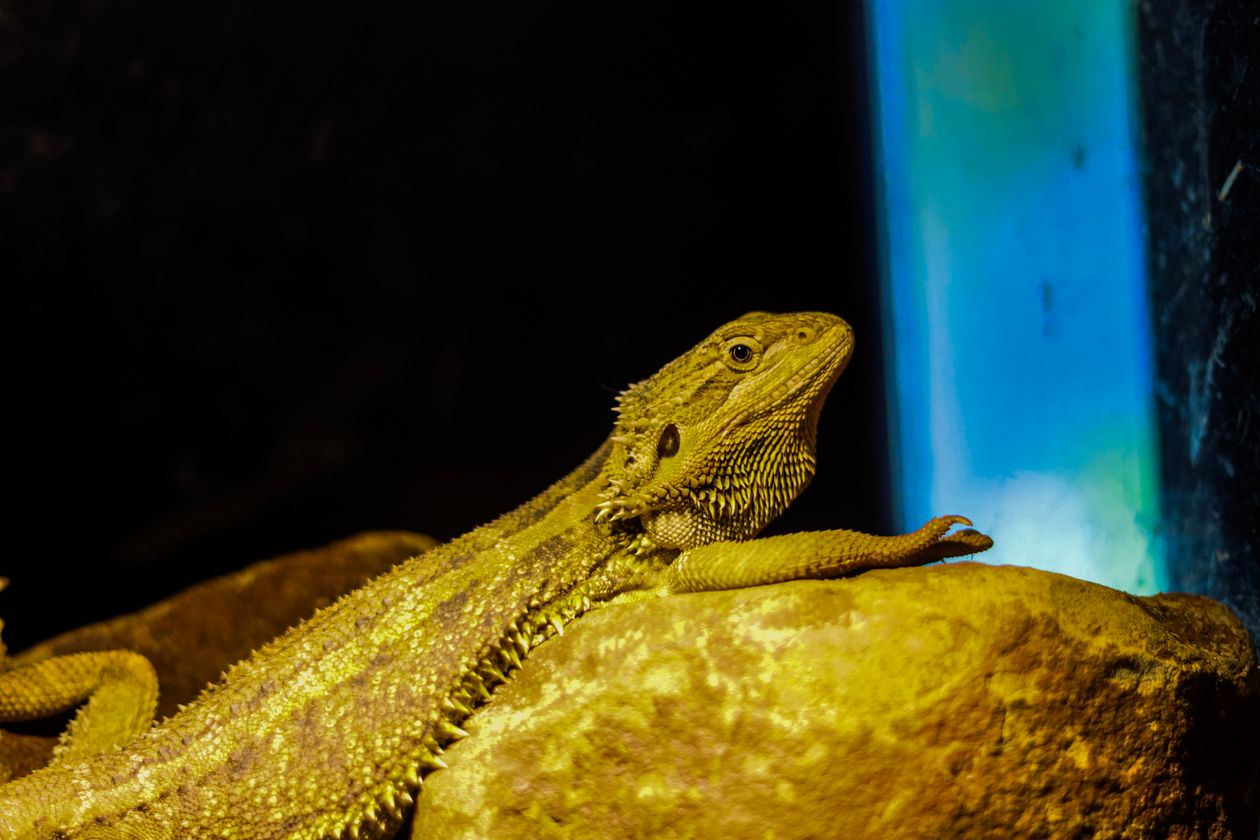
Quick answer: a full-grown central/inland bearded dragon (Pogona vitticeps) commonly reaches about 18–22 inches (45–56 cm) in total length from snout to tail tip, according to VCA. RSPCA gives an average of about 45 cm (18 inches), while broader species references report roughly 13–24 inches. That spread is why one “perfect adult size” is misleading. Track total length, snout-to-vent length (SVL), body weight, and body condition over time rather than chasing a single number.
Most important measurement mistake: total length includes the tail. A dragon with a shortened, injured, or regenerated-looking tail can appear “too small” on a nose-to-tail chart even when its body size is normal. Record SVL separately so you have a body-length measure that does not depend on tail length.
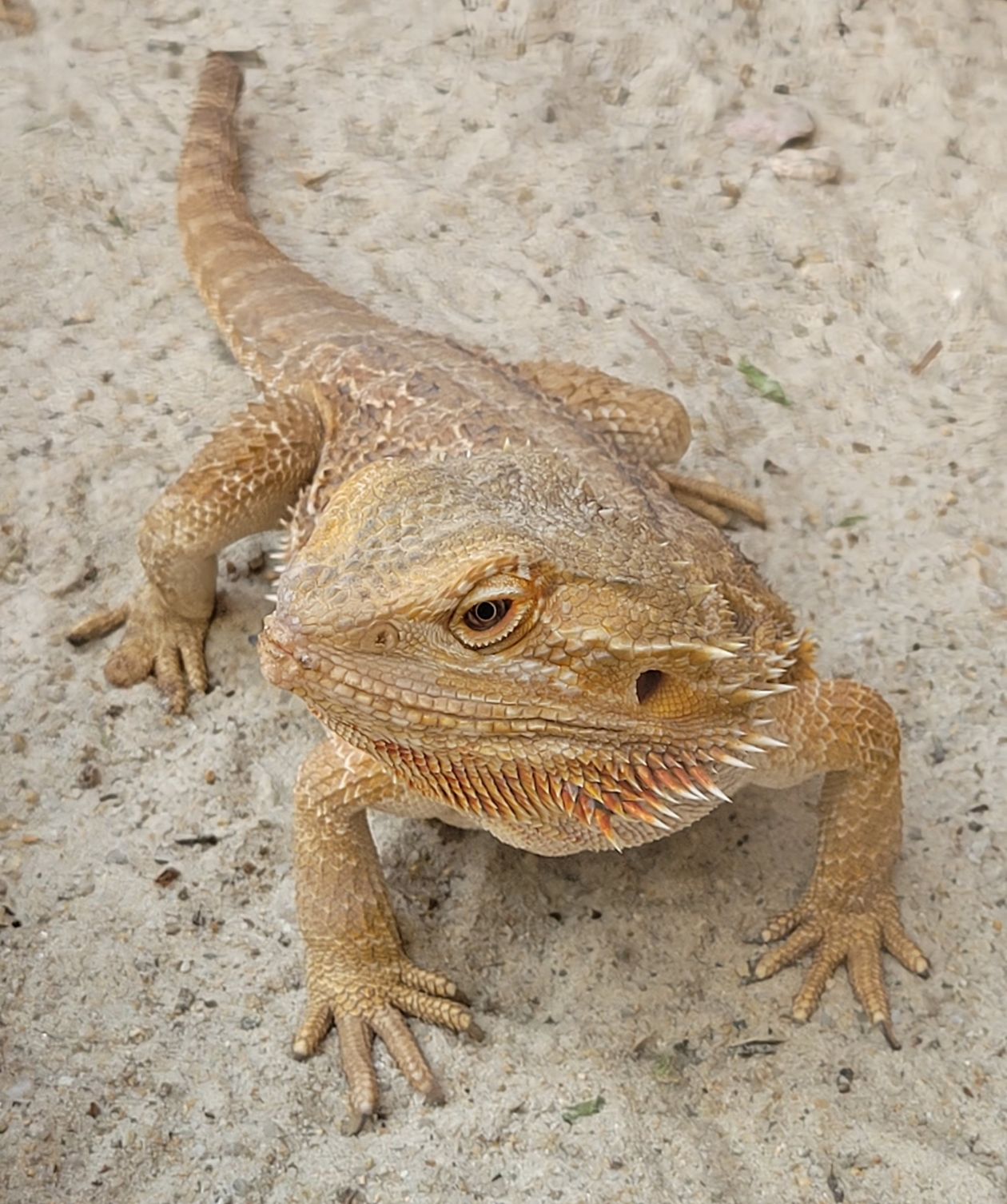
How Big Does a Full-Grown Bearded Dragon Get?
This article is about the species most commonly kept as a pet in the U.S.: the central/inland bearded dragon, Pogona vitticeps. Other Pogona species can be different sizes, so do not use this page as a universal chart for every bearded dragon species.
| Source | Adult size statement | How to use it |
|---|---|---|
| VCA Animal Hospitals | Healthy full-grown adults can reach 18–22 in (45–56 cm) total length | Good practical pet-care range for P. vitticeps |
| RSPCA | Grows to around 45 cm (18 in) | Useful average-style expectation rather than maximum |
| Animal Diversity Web | P. vitticeps reported at 13–24 in, including tail | Shows the broader biological range and why 24 in is not a guarantee |
A 16-inch adult is not automatically unhealthy, and a 23-inch adult is not automatically “better grown.” Genetics, sex, early nutrition, husbandry, tail length, and individual variation all matter.
The useful question is whether your dragon is growing consistently when young, maintaining appropriate body condition as an adult, and showing normal posture, appetite, basking, and activity.
How to Measure a Bearded Dragon Correctly
1. Total length
Measure from the tip of the snout to the tip of the tail. This is the measurement used in most owner-facing size ranges, including VCA's 18–22-inch adult figure.
2. Snout-to-vent length (SVL)
Measure from the tip of the snout to the vent/cloaca at the base of the tail. Biologists and veterinary researchers frequently use SVL because it gives a repeatable body-length measure independent of tail length.
3. Body weight
Use a digital kitchen or postal scale that reads in grams. Place a stable container on the scale, tare/zero it, then place the dragon in the container briefly.
| Measurement | Where it starts | Where it ends | Main advantage |
|---|---|---|---|
| Total length | Snout tip | Tail tip | Matches common owner size charts |
| SVL | Snout tip | Vent/cloaca | Not distorted by a shortened tail |
| Weight | — | — | Shows trend when measured under similar conditions |
Measure on a flat surface with the dragon in a natural position. Do not pull the tail straight or force the body to stretch. For repeatability, use the same ruler/tape and the same method every time.
What Should an Adult Bearded Dragon Weigh?
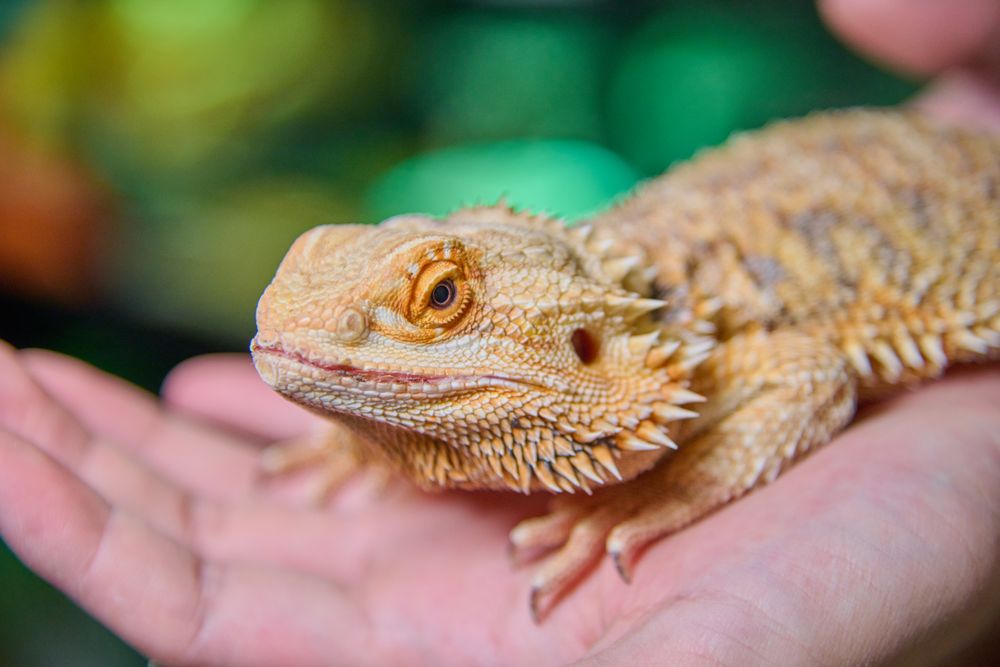
There is no single evidence-based adult weight that every healthy Pogona vitticeps should reach.
That is not just a cautious disclaimer. Published adult research samples show substantial variation:
- A radiographic/anatomy study of 22 adult bearded dragons reported body weights from 101 to 547 g and SVL from 15.1 to 22.7 cm; the mean weight was 268.7 g.
- A separate CT study of 12 adult client-owned bearded dragons reported a mean body weight of 356 g.
Those studies were not designed to define an “ideal pet weight,” so their numbers should not become a target chart. They demonstrate why a rule such as “every adult should weigh 450–550 g” is too simplistic.
Better question: Is this dragon maintaining a stable, appropriate body condition for its individual skeletal size and SVL? A 300 g dragon and a 500 g dragon can require very different interpretations depending on body length, muscle, fat stores, sex, reproductive status, and health.
When Is a Bearded Dragon Full Grown?
VCA notes that bearded dragons finish their major growth spurt around 10–12 months of age. Animal Diversity Web describes rapid growth during the first year and reports sexual maturity around one to two years for P. vitticeps.
That means “12 months” is a useful growth milestone, but it is not a switch that makes every dragon identical overnight. Some individuals continue filling out or changing more gradually after the first-year growth surge.
| Life stage | What to expect | What to track |
|---|---|---|
| Hatchling / very young juvenile | Rapid growth; frequent shedding | Weight trend, length trend, feeding, UVB/heat setup |
| Growing juvenile | Strong first-year growth continues | Monthly trend more useful than comparison with internet “perfect size” charts |
| Around 10–12 months | Major growth spurt often begins to level off | Body condition becomes increasingly important alongside length |
| 1–2 years | Sexual maturity/young-adult period | Stable condition, adult husbandry, reproductive considerations |
| Mature adult | Length changes slowly; weight can still fluctuate | Weight trend, body condition, muscle, health signs |
A slowing growth rate at one year can be normal. A juvenile that stops growing much earlier while also showing weakness, poor appetite, abnormal posture, swollen limbs, tremors, or other clinical signs is a different situation.
Do Male Bearded Dragons Get Bigger Than Females?
VCA states that adult males are slightly larger on average and tend to have larger heads and darker beards. But sex is not accurate enough to predict one individual dragon's adult size.
Published adult research also shows extensive overlap. In the 22-adult radiographic study, investigators found no statistically significant difference in body weight or SVL between males and females in that sample.
So use sex as context, not as a correction formula such as “add 100 grams for males.”
Bearded Dragon Growth Tracking Chart
Instead of a made-up age-to-weight chart, use your own dragon as the longitudinal reference. The table below is a home tracking template, not a veterinary growth standard.
| Date | Age | Total length | SVL | Weight (g) | Appetite / shed / notes |
|---|---|---|---|---|---|
| ____ | ____ | ____ | ____ | ____ | ____ |
| ____ | ____ | ____ | ____ | ____ | ____ |
| ____ | ____ | ____ | ____ | ____ | ____ |
| ____ | ____ | ____ | ____ | ____ | ____ |
| ____ | ____ | ____ | ____ | ____ | ____ |
| ____ | ____ | ____ | ____ | ____ | ____ |
How often should you measure?
For a healthy growing juvenile, recording measurements roughly monthly is usually enough to see direction without obsessing over day-to-day changes. For a stable adult, less frequent tracking may be sufficient unless your reptile veterinarian wants closer monitoring.
Weigh under similar conditions—ideally around the same time of day and with a consistent routine—because recent feeding and elimination can shift gram-scale readings.
Weight Is Not Enough: Body Condition Matters
Reptile medicine is still developing species-specific body-condition systems. A University of Illinois project and a 2024 Association of Reptile and Amphibian Veterinarians conference presentation specifically addressed the need for a validated bearded-dragon BCS system, highlighting how difficult it is to reduce condition to one universal gram target.
VCA offers a few practical health clues: a healthy dragon should not look skinny with loose skin or sunken eyes, and the tail base near the hind legs should appear round, plump, and full rather than sunken and bony.
Track these alongside weight
- tail-base fullness;
- prominence of hips/spine;
- muscle use and posture;
- abdominal shape;
- head/temporal fat-pad appearance;
- ability to walk, climb, and bask normally;
- whether weight is stable, rising, or falling over time.
Do not apply a dog/cat BCS chart literally to a reptile. Reptiles store and distribute fat differently, and bearded-dragon-specific validation is still evolving. If you are unsure whether your dragon is thin or obese, an experienced exotic/reptile veterinarian can assess condition more accurately.
Why Is My Bearded Dragon Smaller Than Expected?
Being below an internet average does not automatically mean disease. First check whether the comparison itself is valid.
Benign or measurement-related explanations
- natural individual/genetic variation;
- female vs male size tendency;
- shortened or damaged tail reducing total length;
- incorrect age estimate;
- different species or hybrid background;
- different measurement technique.
Husbandry or health factors that can impair growth
Growth can also be affected by inadequate nutrition, inappropriate temperatures, poor UVB exposure/calcium metabolism, parasites, chronic illness, or other husbandry problems.
Merck Veterinary Manual notes that inappropriate husbandry and nutrition can cause chronic debilitation in reptiles, while veterinary studies of captive P. vitticeps identify metabolic bone disease and gastrointestinal parasites among common clinical problems.
Do not “fix” slow growth by simply feeding more insects
Overfeeding can create excess body fat without correcting UVB, temperature, calcium, parasite, or disease problems. If growth has stalled unexpectedly, review the whole husbandry system with a reptile veterinarian rather than treating weight gain itself as the objective.
Can a Bearded Dragon Be Too Heavy?
Yes. Merck warns that excessive caloric intake combined with restricted exercise can lead to obesity and hepatic lipidosis in reptiles.
A dragon can therefore be “big” without being appropriately conditioned. Rapid weight gain after linear growth has slowed is especially worth evaluating in the context of diet and activity.
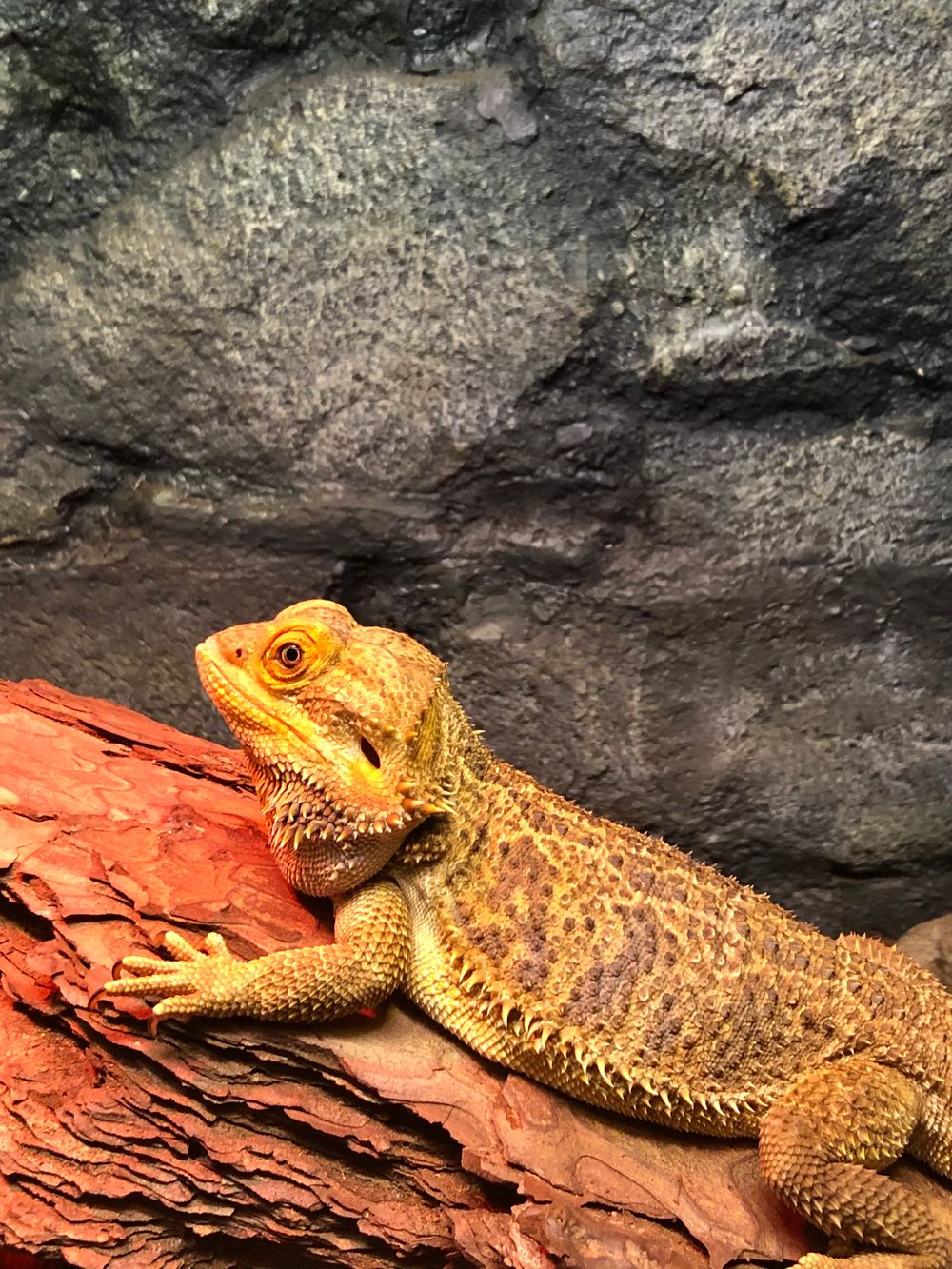
As dragons mature, diet composition also changes. VCA notes that young growing dragons tend to eat proportionally more animal/insect material while adults become more plant-oriented. A July 2026 PetMD diet guide likewise emphasizes that adult diets shift toward leafy greens and vegetables.
How Adult Size Changes Enclosure Needs
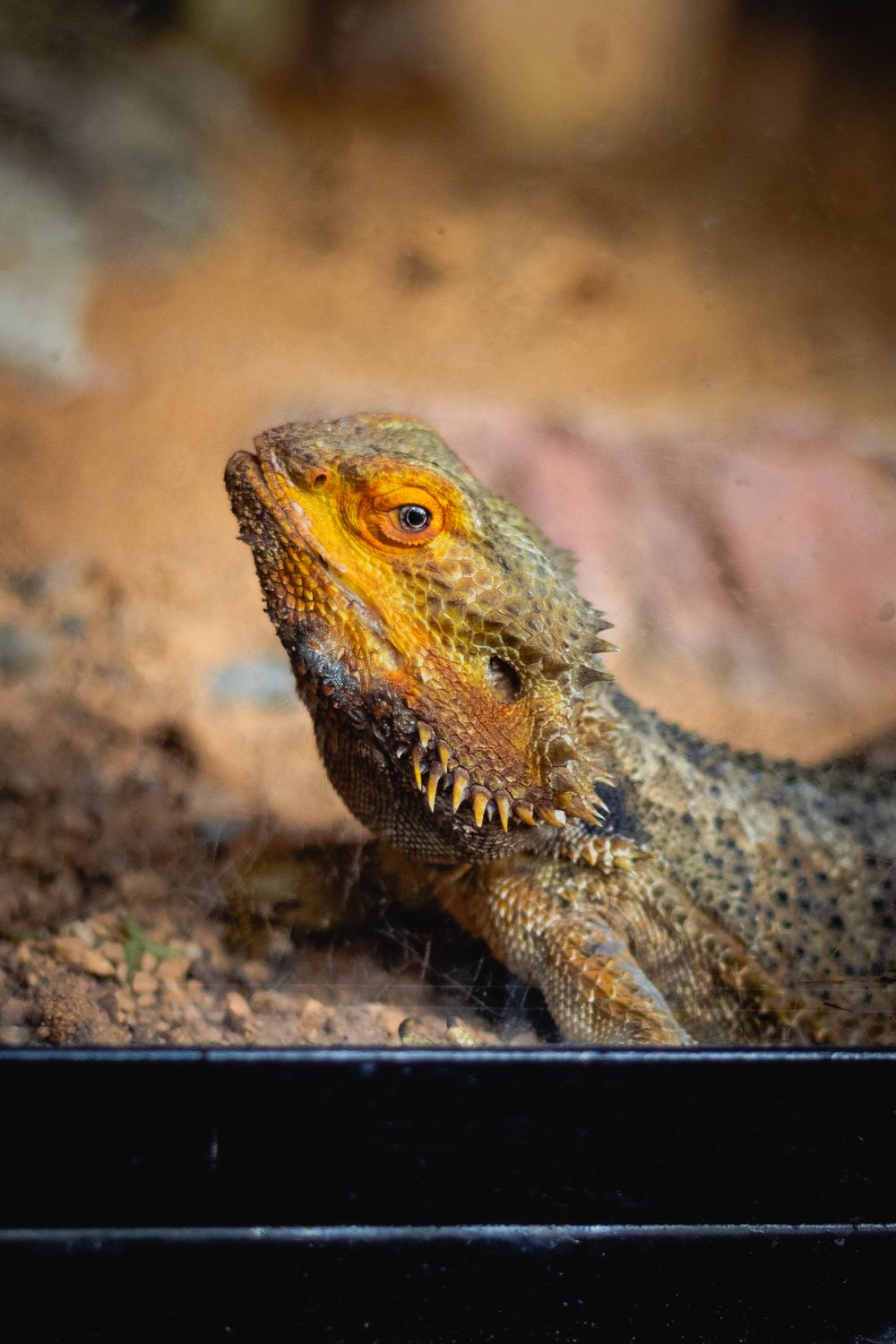
Adult-size information matters because enclosure design must fit the animal—not because reaching 22 inches is a trophy.
RSPCA recommends a minimum enclosure of 120 × 60 × 60 cm for one adult bearded dragon. VCA recommends that enclosure length be at least three times the lizard's total body length and describes 60–100 gallons or larger as appropriate as the animal grows.
These recommendations are not perfectly identical because husbandry organizations use different frameworks. The shared principle is clear: a full-grown dragon needs enough usable space for:
- a proper temperature gradient;
- a basking zone;
- turning and walking normally;
- distance from the heat source;
- hides and climbing/basking structures;
- UVB exposure at the correct distance.
A juvenile enclosure that looked spacious at four months can become functionally cramped long before the dragon reaches maximum adult length.
When Growth or Weight Deserves a Reptile-Vet Check
See an experienced reptile/exotics veterinarian if size concerns come with clinical changes.
PetMD and VCA list warning signs including:
- poor appetite or prolonged refusal to eat outside an expected seasonal pattern;
- lethargy or failure to bask;
- weakness, tremors, abnormal posture, or difficulty walking;
- swollen or misshapen limbs/jaw;
- sunken eyes or obvious dehydration;
- marked weight loss;
- very poor body condition;
- lumps, swellings, or abdominal distension;
- abnormal stool, persistent diarrhea, or suspected parasites;
- a juvenile whose growth trend stalls unexpectedly.
A 2026 emergency-hospital study of 242 bearded dragons found poorer survival associated with presentation for lethargy, anorexia, and poor body condition. That does not mean every sleepy dragon has an emergency, but it reinforces why weight loss plus systemic signs should not be dismissed as “just a small beardie.”
Frequently Asked Questions
How big is a full-grown bearded dragon?
VCA gives 18–22 inches (45–56 cm) total length for healthy full-grown central bearded dragons. RSPCA lists around 45 cm as an average-style figure, while broader biological references extend roughly 13–24 inches.
How big do bearded dragons get in feet?
Most adult central bearded dragons are roughly 1.5–1.8 feet long using VCA's 18–22-inch range. Some published references extend to about 2 feet.
At what age is a bearded dragon full grown?
The major growth spurt commonly finishes around 10–12 months, according to VCA. Sexual maturity is generally around one to two years. Individual dragons can continue filling out after the first year.
How much should a full-grown bearded dragon weigh?
There is no single evidence-based ideal adult gram value. Published adult research samples vary widely, so use weight together with SVL, body proportions, body condition, sex, reproductive status, and trend over time.
Are male bearded dragons bigger than females?
Males are described by VCA as slightly larger on average, but the sexes overlap substantially and individual sex cannot predict a precise adult size.
Why is my adult bearded dragon only 16 inches?
That can reflect normal individual variation, sex, genetics, a shortened tail, age uncertainty, or measurement method. If body condition is poor or growth was abnormal, review husbandry and health with a reptile veterinarian.
Should I measure the tail?
Yes for total length, because most owner size ranges include the tail. Also record snout-to-vent length so a tail injury or unusually short tail does not distort your growth record.
Can a bearded dragon be too big?
Yes in the sense of excess body fat. Obesity is possible in captive reptiles, so a high scale weight should not automatically be treated as healthy growth.
Bottom Line: Track the Dragon You Have, Not an Internet “Perfect Weight”
For a central bearded dragon, 18–22 inches total length is a useful adult expectation, but the best health record contains more than one number.
- Measure total length.
- Measure SVL.
- Record weight in grams.
- Track body condition and posture.
- Watch the trend across months.
- Review heat, UVB, diet, and veterinary health if growth or weight changes unexpectedly.
The objective is not to make every dragon reach 22 inches or a viral “500-gram adult” target. It is to support normal growth, then maintain healthy condition for that individual animal.