Pea Puffer Care: Plan a Planted Aquarium, Feed Tiny Hunters and Monitor Groups

The pea puffer's size creates a misleading first impression. Barely a little fish at the shop, Carinotetraodon travancoricus can seem easier than an active schooling species. In reality it is a specialised freshwater predator that needs a mature planted aquarium, appropriate small invertebrate foods and careful management of territorial behaviour. The most common planning mistake is to choose a tank based on the fish's length, then discover that its feeding habits and relationships with other puffers are much more complicated than the footprint allows.
This is a general care guide, not another tank-mate ranking. Patify already has a dedicated Pea Puffer Tank Mates guide, which examines why species-only housing is the safest default and how to judge risky combinations. Here the tasks are different: deciding whether to keep pea puffers at all, planning space and cover, maintaining live and frozen food access, observing a group and keeping a reliable routine. The article draws on Pufferfish Enthusiasts Worldwide, Aquarium Co-Op and Seriously Fish, which do not agree on every group-size and feeding detail. Those differences are made visible rather than concealed.
Should you keep pea puffers at all?
The best prospective keeper has a properly cycled freshwater aquarium, the patience to feed fish individually, access to varied small animal foods and a plan for aggression. A poor match is somebody wanting a low-maintenance desk ornament, a peaceful community addition or a biological snail exterminator that can be left to find its own food. These fish are curious, deliberate feeders and sometimes territorial. Their ownership cost is more about setup, reliable food and contingency space than the price of the animal.
Ask yourself five questions before buying. Can I supply species-appropriate food even when local shops run out of live worms or snails? Can I tell whether every fish eats? Can I create broken sight lines? Do I have a mature filter rather than an aquarium filled last weekend? And can I move a persistently harassed fish into a properly prepared separate environment? A “no” is a reason to prepare, not a judgement on enthusiasm.
| Decision | Favourable preparation | Red flag |
|---|---|---|
| Feeding | Several safe frozen/live foods with a dependable supply | Assuming flake food will always be accepted |
| Social planning | Ample zones, planned group and contingency housing | Buying several unsexed juveniles for a bare cube |
| Filter maturity | Ammonia/nitrite consistently controlled | Newly started aquarium |
| Tank mates | Species-focused setup is acceptable | Expecting safe shrimp and community fish |
| Responsibility | Willing to monitor and rehome if necessary | No way to intervene when bullying persists |
Identify the real pea puffer and its freshwater habitat
The true pea puffer is Carinotetraodon travancoricus, also sold as the Indian dwarf, Malabar or pygmy puffer. It is a freshwater animal native to southern India, particularly the Western Ghats region. Do not add aquarium salt just because another pufferfish species is brackish. Common-name overlap is a poor basis for a water-chemistry decision; insist on the scientific identity and seller's records wherever possible.
The adult fish is small, around 2.5 cm according to the Seriously Fish species account, with independently moving eyes and a rounded body. Mature males and females can sometimes be distinguished by underside markings and build, but juveniles are difficult to sex reliably. That uncertainty matters if purchasing a group: an appealing assortment of young fish can grow into a socially awkward collection of males. Ask the retailer to show the animals feeding, and observe body condition from multiple angles rather than judging colour alone.
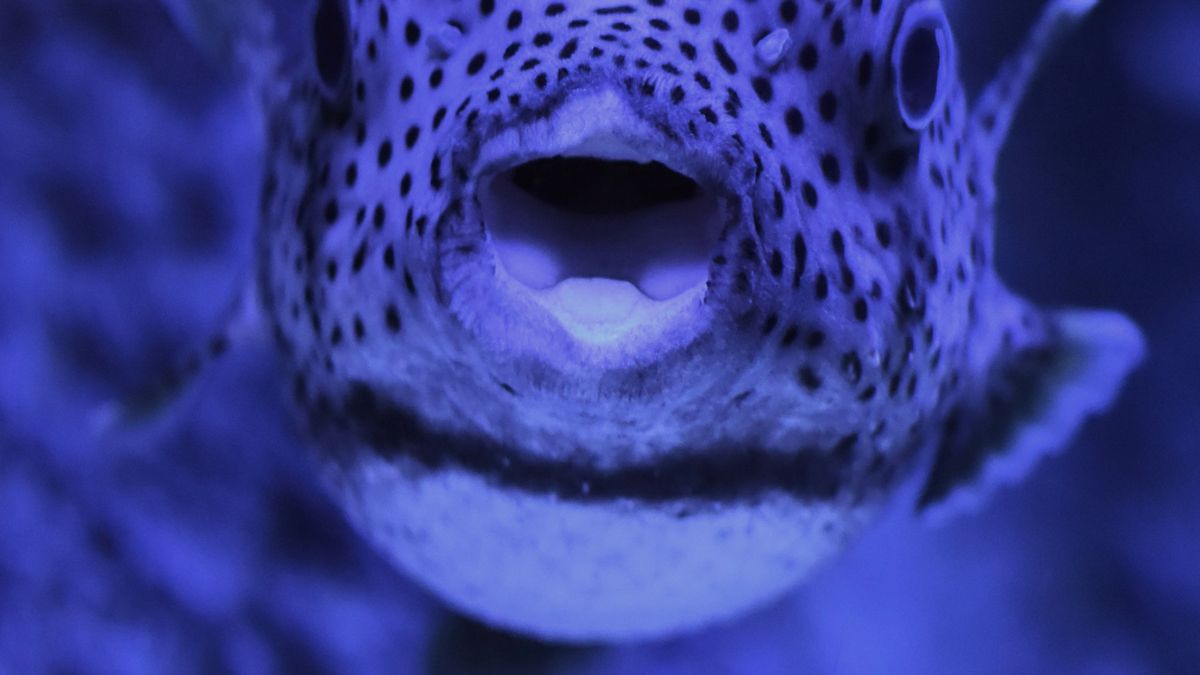
A photo caption with a correct scientific name is useful but not infallible. One older Wikimedia file actually titled “Carinotetraodon travancoricus” contains an explicit correction on its own page identifying the subject as a different puffer species; it has deliberately not been used here. The image accompanying this guide instead comes from a separate file identified as a pea puffer, with author and Creative Commons source credited. That care with identification is more important than finding the brightest generic pufferfish picture.
Group size: published guidance differs for meaningful reasons
This is the subject on which quick online summaries can be especially misleading. Aquarium Co-Op describes success with one pea puffer in a small species tank and suggests roughly five gallons for the first fish plus three gallons per additional fish as a practical starting calculation. Pufferfish Enthusiasts Worldwide instead argues that pea puffers are social animals whose natural group living deserves priority, and recommends at least six in a carefully designed 60 L aquarium, with more space when practical. The two positions come from different husbandry philosophies and observations, not from one universally accepted stocking formula.
It would be irresponsible to present a 10-gallon tank with three puffers as a guaranteed happy household or to claim every isolated individual is automatically thriving because it survives. The safer editorial conclusion is to avoid cramped, bare arrangements; plan an appropriately spacious, densely structured species-focused habitat; and decide group composition with knowledge of sex, behaviour and a back-up separation option. An experienced aquarist pursuing group keeping may reasonably choose a larger footprint than the minimum cited in any single source. Younger fish are difficult to sex, so no purchase count can guarantee a female-biased ratio.
The tank-mate article contains the detailed social compatibility matrix, so we will not reproduce it here. In short, assume species-only housing for other fish and invertebrates; individual success stories do not create a safe general recommendation. For the risk assessment, use the existing Pea Puffer Tank Mates comparison rather than adding companions because there is spare visual space.
Design a planted layout that interrupts sight lines
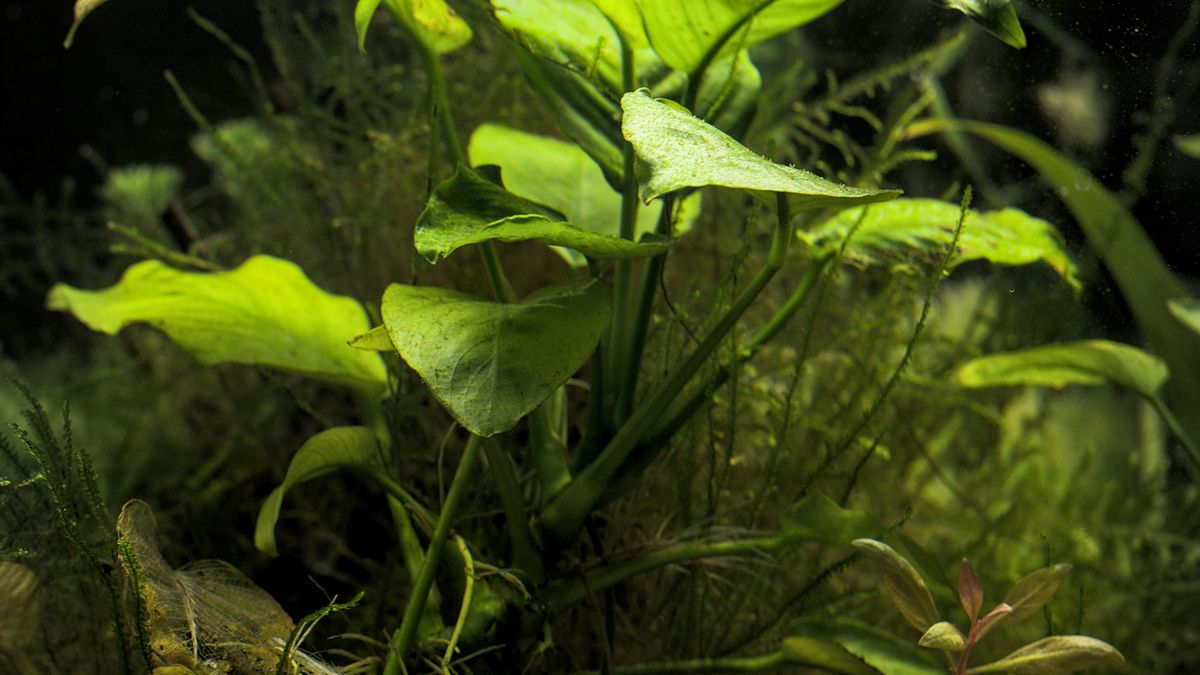
The aquascape should let fish move, hunt and disappear from one another's view without being trapped. Picture three interconnected zones: densely planted stems toward the back, open narrow paths along the middle, and smaller islands of moss, wood or broad-leaved plants near the front. A puffer can cross an open space to explore, then retreat through cover when chased. Without that interruption, a dominant fish may watch and pursue a subordinate across the entire aquarium.
Include taller planting, wood or carefully secured rockwork with several routes around each object. Soft moss-like mats and fine leaves provide extra complexity, but avoid densely packing every inch so the keeper cannot see whether a fish is breathing or eating. Floating plants can diffuse lighting; leave clear surface and equipment access. Gentle rather than punishing current is consistent with the vegetated waters described in the species sources. The layout should accommodate deliberate feeders, not imitate a fast-flowing hillstream aquarium built for loaches.
This is not a mandate to purchase rare plants. Healthy established species such as appropriately selected attached ferns, hardy rhizome plants and easy stem plants can provide useful cover. Patify's planted aquarium setup guide covers the equipment, lighting and fertiliser trade-offs at a general level. The puffer-specific decision is where cover breaks visual contact and whether that layout still permits targeted feeding and water-change access.
A practical visual-barrier and feeding plan
On paper, mark each part of the aquarium that can be seen from the dominant resting or patrol position. If most of the habitat is visible from one point, add a substantial stem-plant cluster or wood barrier to interrupt the view. Then mark three feeding areas that do not sit on the same line of sight. You are looking for choice: a fish that is excluded from one patch must have another safe path to food.
Never assume a plan succeeds because the drawing looks impressive. Watch actual behaviour after introduction, including just before lights-out and at feeding. A subordinate may remain behind a beautiful plant wall because it is afraid to cross the exposed gap. Keep alterations gradual; a total rescape can disrupt established territories and provoke new conflict. A simple sketch dated before stocking and annotated after one week is genuine decision-support material without pretending that Patify conducted a controlled experiment.
| Zone | Purpose | Evidence to collect |
|---|---|---|
| Dense rear planting | Retreat and interrupted sight lines | Does a chased fish emerge to feed again? |
| Central open lanes | Exploration and visibility for keeper | Does one animal patrol the whole lane? |
| Side feeding pockets | Separate access to prey | Which individuals actually swallow food? |
| Quiet equipment return | Gentle circulation and maintenance access | Can all fish rest without current stress? |
Water and filter readiness: mature means tested
Seriously Fish lists 22–28°C and a broad pH reference in its species account. Aquarium Co-Op emphasises stable tropical temperatures and gentle flow rather than strict pursuit of one pH. These figures need context: source-water mineral content, biological maturity, seasonal temperature variation and stocking all affect real welfare. A stable, appropriately maintained aquarium is safer than large rapid chemical corrections aimed at a number taken from a table.
Before fish arrive, confirm the nitrogen cycle is established, that the filter can handle the anticipated bioload and that no ammonia or nitrite issue is developing. Use actual tests and repeat them rather than assuming “the water looks clear” is evidence of safety. Patify's fishless cycling guide explains the preparation step. No feeding or group technique can compensate for persistent toxic waste compounds.
Canadian homes offer particular seasonal surprises. A tank near an outside wall can cool significantly overnight in February; a south-facing room may overheat in July. Monitor true water temperature and equipment behaviour at different times of day. Avoid abrupt changes and make sure delicate plants and fish remain safe if a heater or pump fails. The best gadget is one you can monitor and maintain, not necessarily the most expensive one offered by a shop.
Food: tiny predators require a dependable menu
Pea puffers eat animal prey. Specialist sources describe small aquatic invertebrates including insect larvae, tiny crustaceans, worms and snails. Some captive-bred fish learn to accept selected prepared foods, but that is a pleasant possibility, not a default assumption. A keeper needs several suitable food options reliably available before bringing puffers home. Ask the vendor what each particular fish currently eats rather than trusting a product listing promising that all specimens take pellets.
Offer food in appropriately small portions across separate feeding pockets. Small frozen items can work when thawed according to safe handling practice; live cultured foods require their own hygiene and sourcing considerations. Food obtained from polluted outdoor ponds can introduce pathogens or contaminants. Keep cultures managed rather than treating wild-collected living creatures as automatically safe. Remove leftovers promptly: dense planting can hide decaying prey where it damages water quality.
There is an important source disagreement regarding hard-shelled food and teeth. Some older general puffer guides suggest small snails are mandatory for tooth wear in all puffers; Aquarium Co-Op specifically states that pea puffers do not have the same problematic tooth-overgrowth issue as many larger puffers and says absence of snails is not necessarily a deal-breaker. We therefore recommend dietary variety and observation, not a made-up daily snail quota justified by an anatomy claim. A fish with visible mouth problems or failure to eat needs professional attention rather than an improvised dentistry regimen.
Verify intake rather than relying on appetite impressions
A curious pea puffer may approach food, examine it and then turn away. From across the room, that can look like feeding even when almost nothing is swallowed. In groups, one bolder fish may get multiple items while a quieter fish receives none. Sit quietly at the side of the tank and record how many individuals actually take an item. If the fish is distinguishable by markings, track each animal; if not, track positions and describe the uncertainty.
| Observation | What it tells you | Next sensible step |
|---|---|---|
| Fish lunges, grasps and swallows prey | Actual intake has been seen | Record food type and amount offered |
| Fish examines but drops every item | Acceptance is uncertain | Ask seller what it ate, try a suitable alternative and watch health |
| One fish controls the feeding pocket | Social access problem | Divide food and add visual barriers |
| Food vanishes without a visible eater | Unknown consumption or hiding | Use clearer placement and smaller amounts |
| Fish becomes thinner across days | Potential underfeeding or illness | Test water, document feeding and seek qualified advice promptly |
Do not assume an animal has eaten because its belly looks round in one photograph. Equally, do not overfeed in an attempt to compensate for uncertainty: uneaten animal food raises the waste load quickly. Use a repeatable meal-time observation method, reasonable small portions and species-appropriate nutrition instead of guessing. Persistent refusal or weight loss can have medical causes; do not diagnose internal parasites without suitable veterinary assessment.
Buying live or frozen foods in Canada
Food availability is part of the purchasing decision, especially outside a major city. Ask two independent retailers what they routinely stock, whether frozen products require an uninterrupted cold chain and how to maintain safe backup foods when a shipment is delayed. Canada's winter weather can complicate delivery, while summer heat threatens frozen parcels. Do not use a shop's US-dollar item price as a Canadian national cost estimate. Actual costs depend on local availability, package size, number of puffers and loss from spoilage.
A simple budget has separate lines for core frozen/live food, culture containers when appropriate, test supplies, safe storage, electricity and an emergency separation setup. The first food purchase should not be the only form of acceptable nutrition in the house. This is not about purchasing every novelty prey sold online; a small, dependable rotation prepared hygienically is more useful than a spectacular menu that cannot be sustained after the first month.
Behaviour: when exploration becomes harassment
Puffers investigate objects, patrol territories and may display or chase one another. A brief interaction does not automatically mean a crisis. The key distinction is whether animals can resume normal feeding and resting without being relentlessly pursued. A fish confined to one corner for hours, repeatedly bitten, losing weight or excluded from meals is not successfully integrated. Provide multiple retreats and a genuine separation plan. Do not merely add more fish to diffuse aggression without reassessing the existing footprint and sex mix.
Sexual differences become clearer as fish mature, but juveniles are difficult to sex accurately. Male-heavy groups can provoke conflict. Pufferfish Enthusiasts Worldwide emphasises social group design and female-biased ratios, while Aquarium Co-Op also discusses ratios and the possibility of rehoming males as juveniles mature. The responsible response to disagreement is to acknowledge uncertainty and give the keeper concrete things to observe: encounters per meal, access to shelter, bite damage, missed feedings and whether a subordinate can escape pursuit.
If aggression escalates, stop testing the fish's tolerance. Prepare safe temporary housing with mature filtration and compatible water, and seek support from an experienced aquatic specialist. Do not attempt to force timid fish to “get used to it” in a bare tank where they have no escape path. Care is an ongoing adjustment process, not the execution of one universal stocking arithmetic formula.
Transfer fish without forcing them to puff
Pea puffers can inflate defensively, but deliberately making one puff for entertainment is harmful. Aquarium Co-Op advises transferring them using a cup or submerged container rather than exposing them to air in a net where they might inhale air. Plan a controlled, calm move; keep equipment and the receiving environment ready before you start. The aim is to avoid chasing and reduce sudden temperature or chemistry swings.
For new arrivals, the difference between a local shop pickup and lengthy courier shipping matters. Transport water may have accumulated waste and dissolved carbon dioxide, so drip acclimation is not always the gentlest or safest option after a long sealed shipment. Follow a verified supplier-specific protocol and Patify's fish acclimation guide. Quarantine when feasible and obtain qualified support if symptoms suggest infection. This article intentionally offers no prophylactic medication programme or dose because no veterinary examination has been performed.
A workable seven-day arrival diary
On day one, note the route the fish took to your tank, water tests, the temperature and the foods the seller says it accepted. Let the fish settle with cover and minimal disturbance. Over the following days, offer consistent small meals at predetermined spots and watch consumption and social distribution. At each session, record whether every fish emerges; do not claim success simply because the most confident animal now swims to the front glass.
A useful log includes date, time, water temperature, ammonia/nitrite, food type, individual intake observed yes/no/unknown, aggression or chasing count, breathing appearance and notes about equipment. Record unknown rather than filling blank cells with “normal”. That honesty makes the data useful. If a worrying symptom develops, the timeline gives a veterinarian or experienced fishkeeper a meaningful starting point rather than a recollection assembled under stress.
Continue the same routine after the arrival week. In a group, re-evaluate periodically as fish mature; an arrangement that worked with juveniles may not remain balanced in adulthood. Where an animal is thin or visibly injured, act promptly instead of waiting for the end of a self-imposed observation experiment.
Maintenance in a dense planted species tank
Dense plants help block sight lines and consume nutrients, but can trap uneaten meat-based foods and detritus. A successful maintenance routine therefore balances gentle cleaning with protecting biofilter function. Inspect hidden pockets, siphon accumulated waste during appropriate partial water changes and avoid stripping the entire biological system. Check ammonia and nitrite whenever feeding load, filtration or livestock changes. The wider Patify fish-tank cleaning guide covers water changes, substrate and filter media without duplicating those subjects here.
Keep plant growth manageable enough that you can assess every puffer's body condition. A forest of stems is wonderful habitat until it becomes physically impossible to see whether an animal is alive, eating or being cornered. Trim cautiously, preserving multiple escape routes. Avoid putting hands or new tools into the tank without basic hygiene, and do not use household cleaning agents around open aquarium water. The goal is a living, observable habitat rather than a display so perfect you fear maintaining it.
Common mistakes and what to do instead
| Mistake | Why it fails | Better decision |
|---|---|---|
| Buying puffers as community “snail control” | Prey hunting and aggression complicate the community | Plan a species-focused aquarium, manage snail causes separately |
| Assuming all puffers need brackish salt | Pea puffers are freshwater species | Verify C. travancoricus identity and freshwater parameters |
| Copying one minimum tank rule | Social recommendations differ and layout matters | Choose space generously; design group and exit plan |
| Feeding only dried flake | Many specimens reject it | Confirm several appropriate live/frozen foods before buying |
| Reading “looks interested” as “ate” | Inspection is not ingestion | Record swallowed food per fish |
| Medication without diagnosis | Can delay correct care or harm livestock | Use quarantine observation and qualified vet advice |
Be wary of care advice that guarantees peace if you buy a certain number of fish. No aquascape can eliminate all territorial conflict. A careful keeper makes a realistic plan, observes the animals and remains willing to change it. That is a more credible standard than claiming a particular tank size guarantees social harmony.
Responsible sourcing and conservation
This species is endemic to a restricted area of southern India and specialist sources discuss conservation pressures on native populations. Where a reliable captive-bred source is available, ask about it; do not accept an unsupported “ethically bred” label as proof of origin. Request the scientific identity, most recent feeding response, whether the fish is wild-caught or captive-bred when known, and the store's arrival and quarantine information. These questions matter more than a photogenic colour pattern.
Do not release unwanted aquarium animals or feeder snails into lakes, municipal drains or natural waterways. Canada's Department of Fisheries and Oceans explicitly warns against release and recommends rehoming unwanted aquatic pets. Consult its Don't Let It Loose guidance. This applies even if you believe a tropical puffer cannot survive a Canadian winter; pathogens, accidental survival and broader ecological risk are reasons to avoid release altogether.
Frequently asked questions
Are pea puffers freshwater or brackish?
Carinotetraodon travancoricus is a true freshwater species. Confusion with other puffers is common, so check the scientific name before adjusting salinity. Do not add salt because a generic pufferfish blog says puffers come from brackish habitats.
Can pea puffers eat pellets?
Some captive fish accept selected prepared foods, but many prefer live or frozen small animal prey. Ask to see the particular fish feed and secure a dependable varied menu. Do not assume flakes alone are adequate for the animal you have purchased.
How many pea puffers should be kept together?
There is no universally agreed number across respected husbandry sources. Pufferfish Enthusiasts Worldwide advocates a thoughtfully arranged group of at least six, while Aquarium Co-Op includes examples of small groups or individuals. Bigger practical footprints, planting, female-biased composition where possible and a backup plan are common risk-reduction principles.
Can they live with Otocinclus or shrimp?
No non-puffer companion is guaranteed safe. Shrimp and snails are potential prey and otos can face harassment while needing a mature food-rich tank of their own. Review our Pea Puffer Tank Mates article for the detailed compatibility discussion rather than treating this care guide as permission to mix them.
Do pea puffers need snails to wear down teeth?
Snails are one feeding and enrichment option, but Aquarium Co-Op notes pea puffers do not share the same serious tooth-overgrowth problem as many larger puffer species. Variety matters; a compulsory snail count based on a blanket “all puffers” claim is not warranted.
Sources and editorial limitations
- Pufferfish Enthusiasts Worldwide — C. travancoricus: wild habitat, diet, social/group recommendations and conservation.
- Aquarium Co-Op — Pea Puffer Care: practical stocking examples, diet, tooth-care caveat and transfer technique.
- Seriously Fish — Carinotetraodon travancoricus: scientific identity, freshwater habitat, water range and husbandry reference.
- Fisheries and Oceans Canada — Don't Let It Loose: aquarium pet and feeder-organism release prevention.
The zoning diagram concept and observation log are editorial proposals, not verified results from a Patify breeding facility. This guide does not include original animal experimentation, veterinary diagnosis, patented feed tests or photographic evidence of a Patify-owned fish. It is designed to support preparation and responsible questions rather than make individual treatment decisions.