
African Fat-Tailed Gecko Care: Setup, Heat, Humidity & Diet
Care for an African fat-tailed gecko with the right enclosure, seasonal heat and humidity, low-level UVB, humid hide, natural substrate, insect diet and safe handling.
9 min
Read51
519 articles found • Page 13 of 58
Care for an African fat-tailed gecko with the right enclosure, seasonal heat and humidity, low-level UVB, humid hide, natural substrate, insect diet and safe handling.
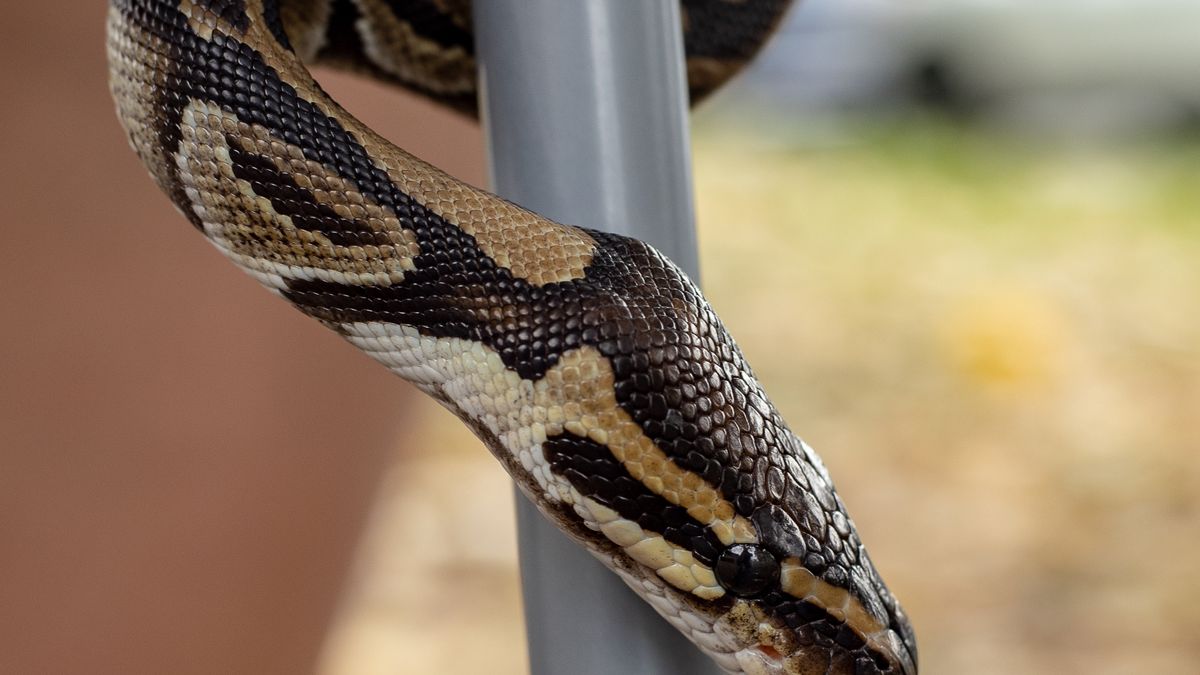
Set up a ball python enclosure with adult-size space, snug hides, safe heat, measured humidity, low-level UVB, deep substrate, climbing structure and a 7-day pre-arrival test.
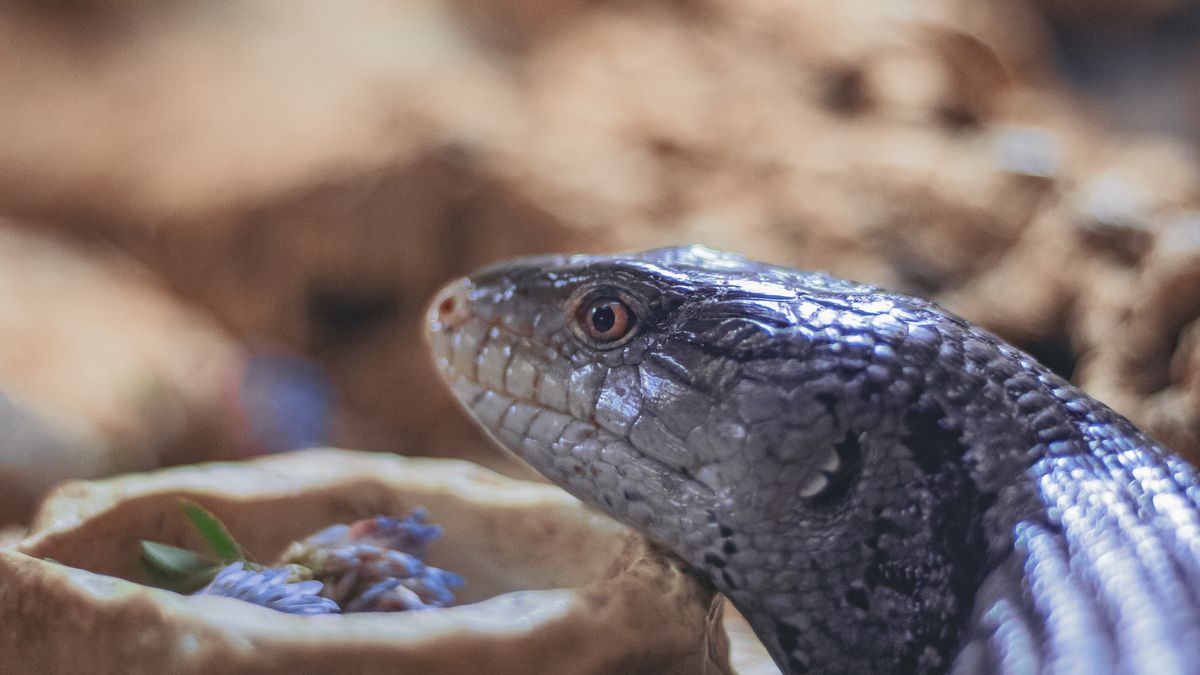
Build a blue tongue skink enclosure by species: adult floor space, basking and cool zones, UVB, 4–6 inch substrate, hides and humidity ranges for Australian vs Indonesian types.
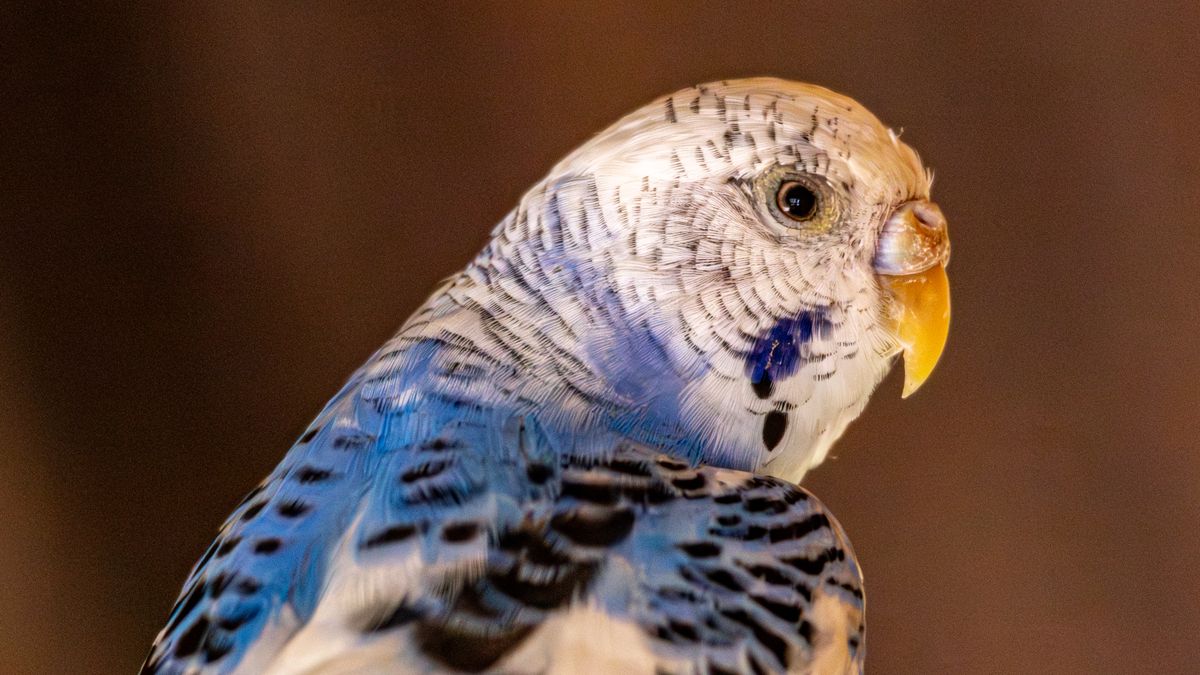
Identify budgie colors with a layered green-vs-blue series guide to shades, opaline, cinnamon, spangle, pied, lutino, albino and yellowface—without guessing hidden genetics.
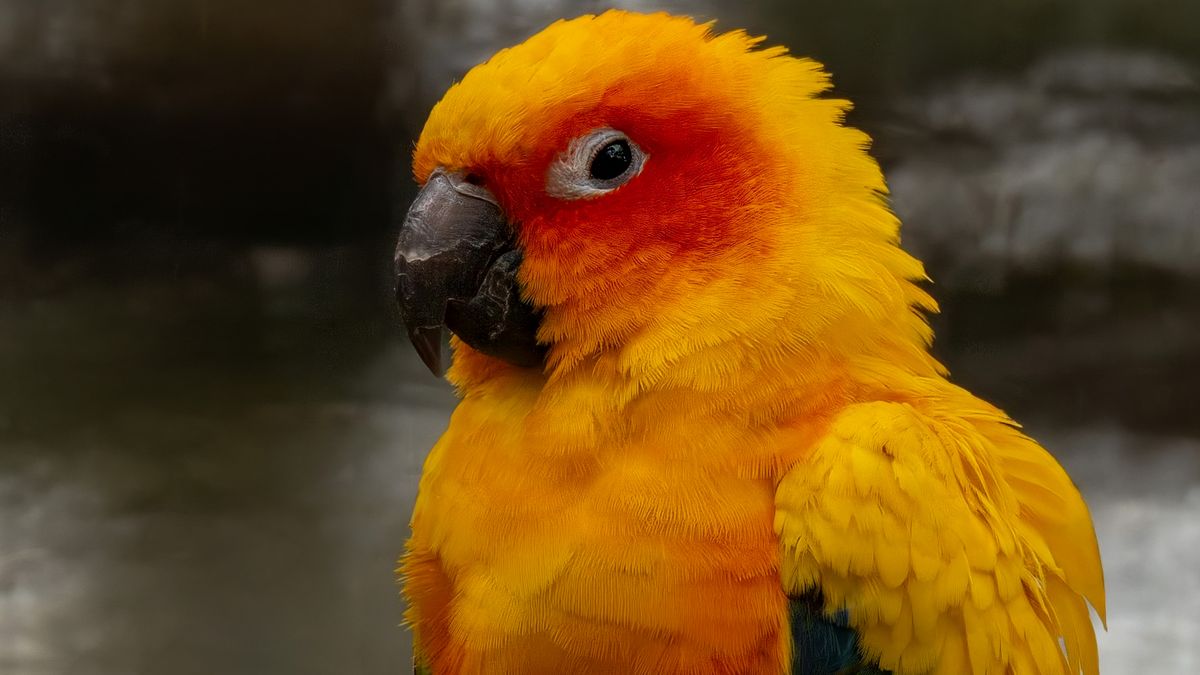
Compare 10 conure species by scientific name, adult size, plumage and vocal style, and learn why conure is a multi-genus common name rather than one taxonomic group.
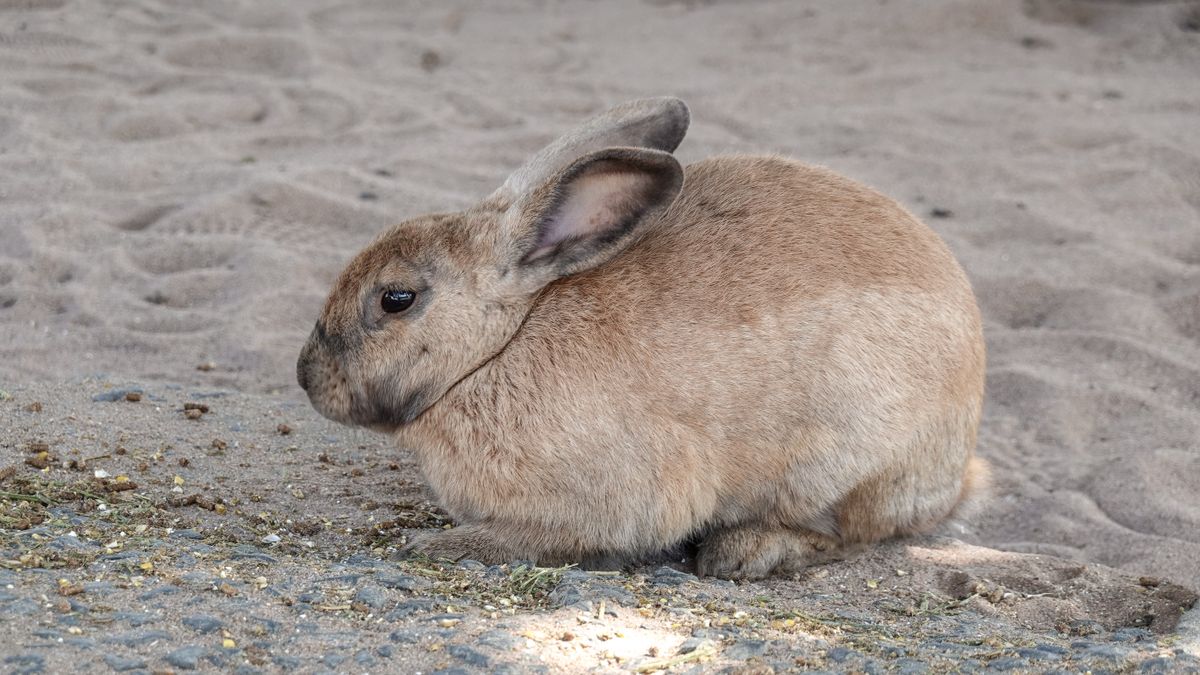
Build a rabbit digging box that is large enough for real digging, with safe hay, paper, soil or sand options, mess-control layouts, cleaning rules and behavior troubleshooting.
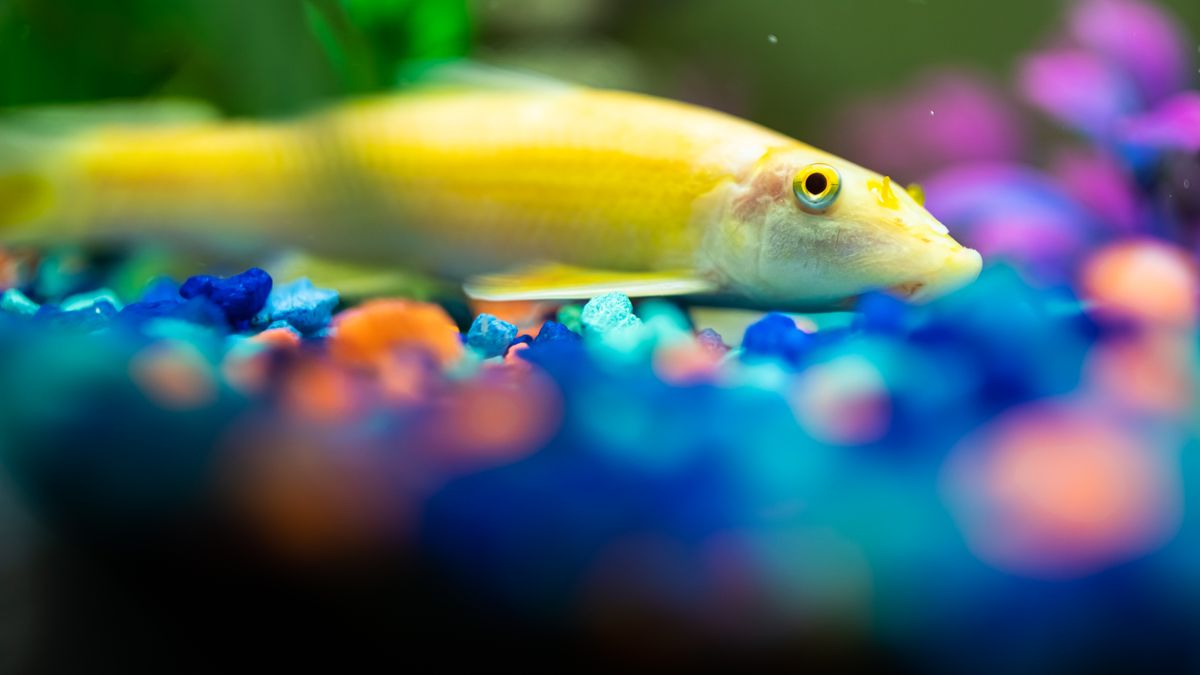
Compare six freshwater algae eater fish by algae type, adult size, tank needs, behavior and compatibility—from Otocinclus and bristlenose plecos to Siamese algae eaters.
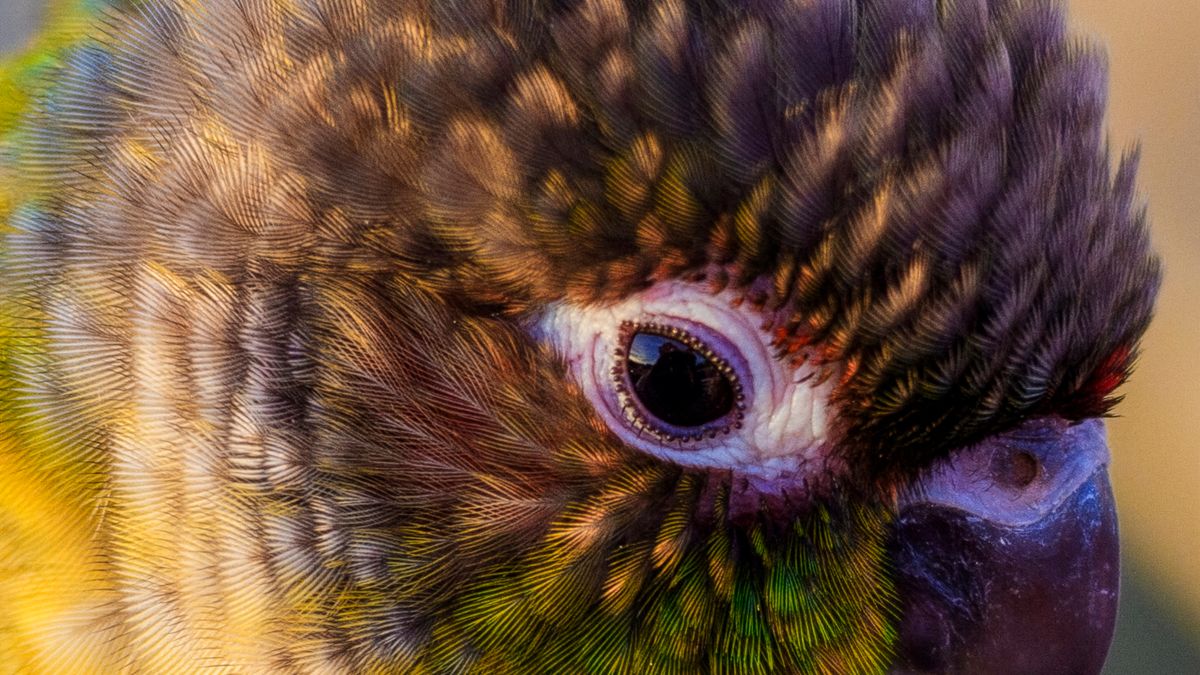
Compare Green-Cheek Conure colors from normal, cinnamon and yellow-sided to pineapple, turquoise, dilute, mint, suncheek and mooncheek—while separating phenotype from proven genetics.
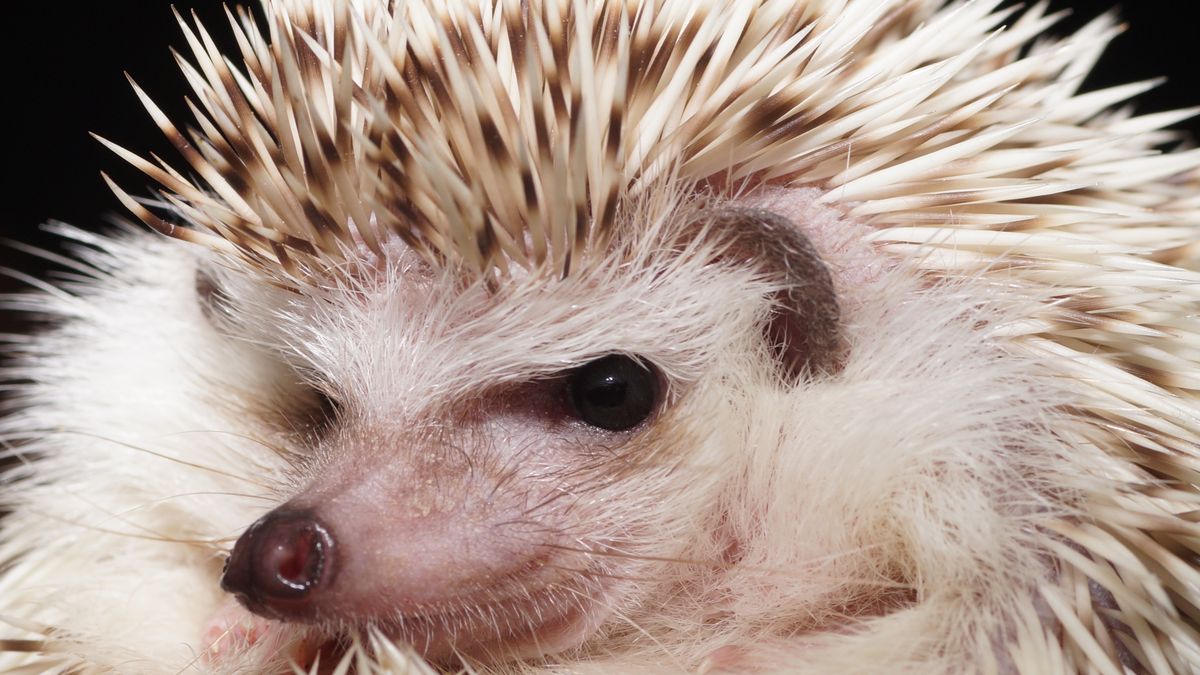
Identify African pygmy hedgehog colors by separating current NAQA show classes from breeder shade names, pinto/snowflake patterns, eye color and genetics limits.