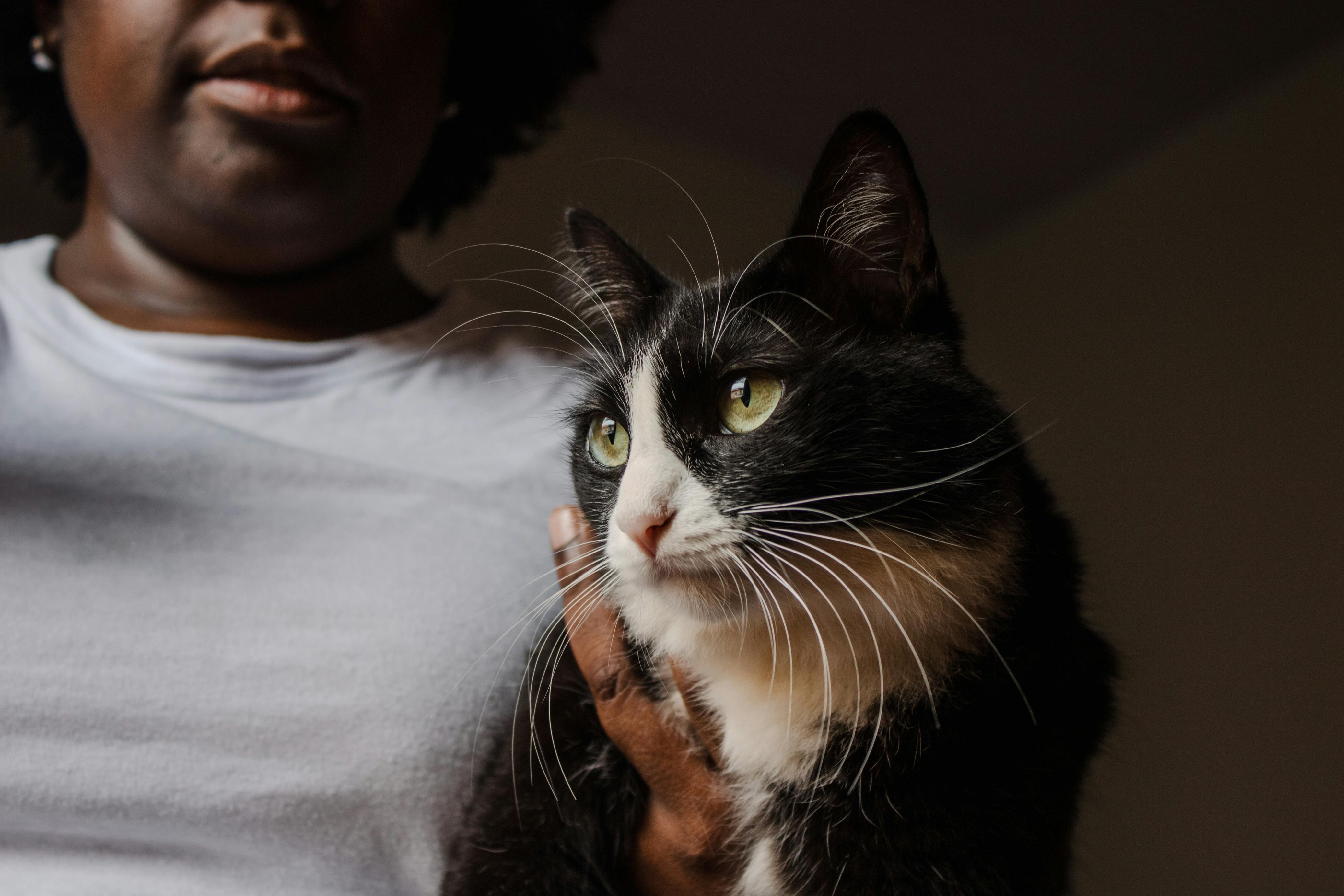
Feral Cat vs. Stray Cat: How to Tell and What to Do
Tell a stray cat from a feral cat using socialization, approach distance, vocalization, time-of-day patterns and repeated observation—then choose the right lost-pet, TNR or rescue response.
520 articles found • Page 26 of 58
Tell a stray cat from a feral cat using socialization, approach distance, vocalization, time-of-day patterns and repeated observation—then choose the right lost-pet, TNR or rescue response.
Learn what cat trilling sounds like, why cats trill, and how it differs from chirping, chattering, meowing and purring—with real research sound references and health red flags.
Make 8 easy DIY cat toys from paper and cardboard with material lists, clear build steps, supervision levels and a safety guide for string, small parts and foreign-body risks.
Rehome a cat responsibly with a decision checklist, copy-ready adoption profile, 12 adopter screening questions, safer meet-and-greet guidance, record transfer and U.S. shelter alternatives.
Build a richer indoor life for your cat with a 7-zone enrichment plan covering hiding, vertical space, scratching, predatory play, foraging, sensory stimulation and a practical weekly routine.
Tell cat play from real conflict using reciprocity, role reversal, wrestling, chasing, vocalization, body language and post-interaction behavior—with an intermediate zone for play that turns tense.
Find a lost cat with a search plan tailored to indoor vs outdoor history: close physical searching, neighbor checks, flyers, cameras, microchip alerts, humane trapping and a printable search log.
Help cats live together with a staged introduction plan: transition room, scent exchange, visual contact, supervised proximity, resource mapping and structured reintroduction after conflict.
A reward-based plan for excessive barking: identify the trigger, manage the environment, train a quiet alternative and know when barking needs veterinary or behavior help.