
Price snapshot checked: September 24, 2026
Quick answer: the bearded dragon itself may cost only about $60–$90 at a large U.S. pet chain, but a responsible first-year setup is much more expensive. Using current 2026 U.S. retail prices and a realistic adult-style care model, a standard bearded dragon can easily cost about $1,300–$2,350 in the first year before emergencies. A growing juvenile can push that higher because live-food costs are greater, and an optional UVI meter adds about $249. After the enclosure is established, a reasonable routine adult-care budget is roughly $750–$1,600 per year, excluding major illness or emergency surgery.
The animal is usually one of the cheapest line items. Before buying a $60–$150 dragon, make sure you can fund the 4×2×2-class enclosure, UVB, heat, measurement equipment, food, supplements, electricity, routine reptile-vet care, and an emergency reserve.
2026 U.S. Bearded Dragon Cost: Current Price Snapshot
The table below uses live U.S. retail pages checked on September 24, 2026. Prices can change with sales, shipping, store location, enclosure material and product size, so treat them as a dated market snapshot, not guaranteed future prices.
| Item | Current example price | Source / context |
|---|---|---|
| Standard live bearded dragon | $59.99 sale / $79.99 regular | PetSmart live-pet listing |
| Standard 6–8" bearded dragon | $89.99 | Petco live Pogona vitticeps listing |
| 4×2×2 (120 gal) enclosure | $299 | Dubia.com bearded dragon enclosure |
| 4×2×2 enclosure | from $324 | Zen Habitats 3.0 current listing |
| Arcadia ProT5 12% UVB kit | $84.99 | Petco / Chewy current listing |
| 100W basking bulb | $19.99 | Petco Zoo Med listing |
| Large dome fixture | $36.99 | Petco Fluker's listing |
| Digital thermometer | $14.99 each | Petco bearded-dragon supply listing |
| Reptile calcium | about $10–$11 | Petco current calcium listings |
| 100 medium dubia roaches | $17.25 | Dubia.com current 5/8" feeder price |
| Live crickets | $0.17 each | PetSmart current live-cricket listing |
| Solarmeter 6.5R UVI meter | $249 | Solarmeter official store; optional but valuable |
Taxes, shipping and temporary promotions are not included. This page intentionally uses several retailers instead of pretending one store represents the entire U.S. market.
How Much Does a Bearded Dragon Itself Cost?
For a standard pet-store dragon, the current chain-store snapshot is roughly $60–$90. PetSmart lists a regular price of $79.99 with a $59.99 promotional price at the time of checking; Petco lists a standard 6–8 inch Pogona vitticeps at $89.99.
Breeder and morph prices
Breeder pricing varies much more. Current breeder-market pages show standard/wild-type dragons around the lower hundreds or below, while color and genetic morphs such as hypo, translucent, leatherback, zero, witblits and combination projects can cost several hundred dollars. Current MorphMarket listings include many hypo/trans animals in the $150–$700+ range, with unusual designer animals listed far higher.
| Type | Useful 2026 planning range | Budget note |
|---|---|---|
| Chain-store standard dragon | ~$60–$90 | Current PetSmart/Petco snapshot |
| Standard/wild-type from breeder | ~$75–$150 | Varies with age, breeder and shipping |
| Common morphs / stronger color projects | ~$150–$500+ | Hypo, trans, leatherback, citrus/red combinations vary widely |
| Rare designer morphs | $500 to several thousand | Not relevant to minimum care budget |
A higher purchase price is not a substitute for veterinary screening, and a low purchase price does not prove poor health. Ask about age, feeding history, hatch/breeding records, health guarantees where applicable, current body condition and recent husbandry.
One-Time Bearded Dragon Setup Cost
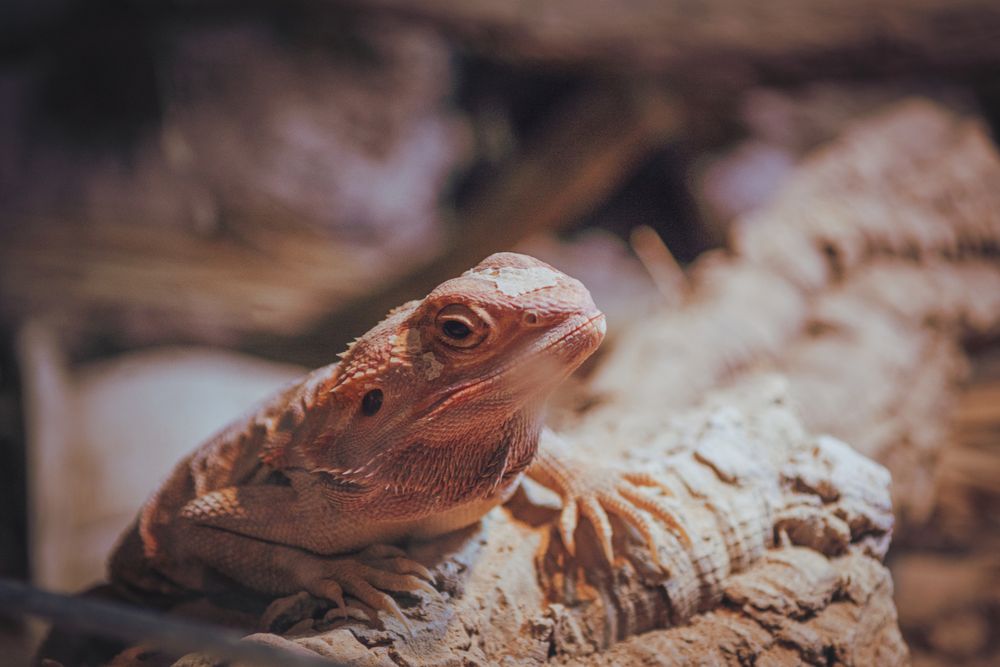
RSPCA's adult minimum is approximately 120 × 60 × 60 cm, roughly the 4×2×2-foot class. Current U.S. examples put that enclosure alone around $299–$324+, before lighting or furnishings.
| Setup category | 2026 planning range | What it covers |
|---|---|---|
| Adult 4×2×2-class enclosure | $299–$379 | Current Dubia/Zen-type market pricing; material/options vary |
| High-output UVB kit | $85–$115 | T5 fixture + suitable UVB lamp |
| Basking fixture + bulb | $50–$70 | Dome/clamp fixture plus initial heat bulb |
| Temperature/humidity/control gear | $60–$130 | Warm/cool thermometers, hygrometer, timer/control, IR checks depending setup |
| Hides, basking platform, dishes, branch/rock | $50–$125 | Can be higher for commercial décor |
| Initial substrate / liner / dig material | $25–$50 | Paper can cost less; naturalistic setups can cost more |
| Initial calcium + multivitamin supply | $25–$40 | Exact system depends on diet/UVB/product |
| Optional UVI meter | +$249 | Solarmeter 6.5R current official price |
A reasonable one-time setup therefore lands around $570–$910 before the dragon, food and vet visit. Adding a personal UVI meter pushes that to roughly $820–$1,160.
Patify's bearded dragon enclosure setup guide covers the 4×2×2 layout itself, while the heating and lighting guide explains what the measurement equipment is actually verifying.
Monthly Food and Supplement Cost
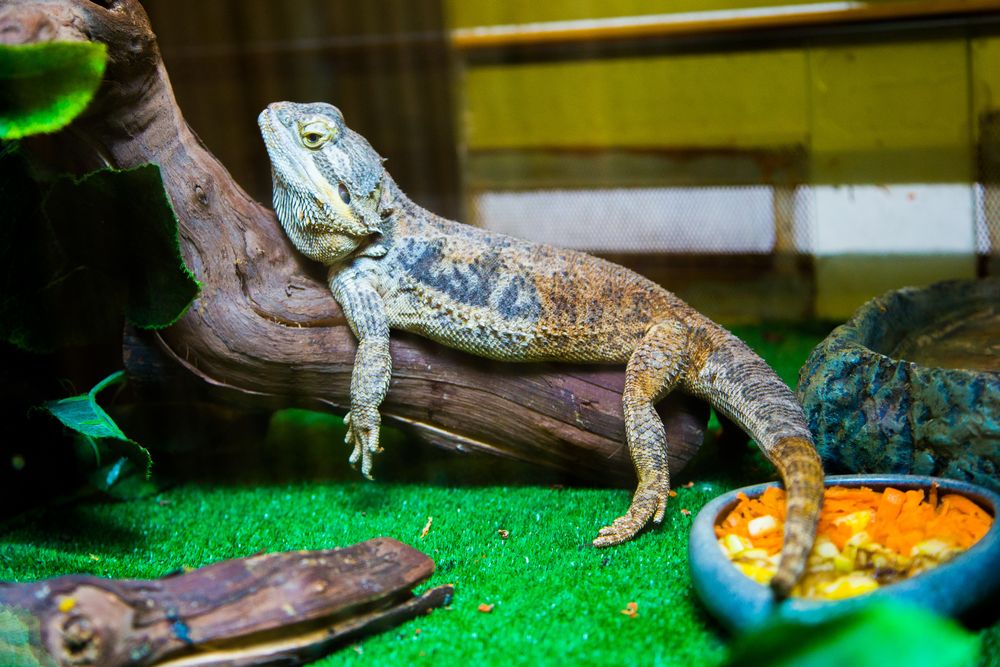
Food is the largest recurring variable because a fast-growing juvenile can consume far more insects than an adult.
Current feeder snapshots illustrate the math:
- PetSmart live crickets: about $0.17 each at the time checked;
- Dubia.com medium 5/8-inch roaches: 100 for $17.25 before any shipping conditions;
- greens and vegetables vary by supermarket, season and region.
| Life stage | Useful monthly planning range | Why |
|---|---|---|
| Growing juvenile | ~$50–$100+ | Higher live-insect volume; feeder size and shipping matter |
| Adult | ~$30–$60 | Plant-dominant diet with less frequent live feeders |
These are modeled planning ranges, not fixed market averages. Buying feeders in bulk, breeding legal feeder insects yourself, local grocery prices, the dragon's age, and feeder choice can move the number substantially.
Patify's bearded dragon food guide explains why juvenile and adult feeding patterns differ and why exact insect counts should not be copied blindly.
How Much Electricity Does a Bearded Dragon Setup Cost?
Electricity is easy to forget because there is no separate “bearded dragon bill.” We can model it transparently.
The U.S. Energy Information Administration reported an average residential electricity price of 18.34 cents/kWh in June 2026. State rates vary substantially.
Example A: 100W basking heat + 24W UVB, 12 hours/day
(0.100 kW + 0.024 kW) × 12 hours × 365 days = 543.1 kWh/year
At 18.34¢/kWh: about $100/year, or roughly $8/month.
Example B: 150W basking heat + 24W UVB, 12 hours/day
(0.150 kW + 0.024 kW) × 12 hours × 365 days = 762.1 kWh/year
At 18.34¢/kWh: about $140/year, or roughly $12/month.
This is a planning model, not your exact bill. Thermostatic/dimming control, room temperature, extra visible-light LEDs, nighttime heat, lamp wattage and your local electricity rate all change the result.
Veterinary Cost: Budget for a Reptile Vet Before You Need One
Reptile veterinary pricing varies sharply by metro area and clinic expertise. A current 2026 U.S. pricing survey from Exotic Vet Finder places routine reptile wellness exams around $85–$250, with a reported national median around $132; fecal testing is listed around $35–$75.
For budgeting, a sensible initial wellness + fecal line is therefore roughly $135–$325, while recognizing that your local quote may be outside that range.
Emergency care is a separate budget
Do not count your annual exam budget as an emergency fund. Imaging, hospitalization, egg-binding treatment, foreign-body surgery or serious metabolic disease can turn into four-figure bills.
A practical ownership plan should include:
- a reptile/exotics clinic identified before purchase;
- transport plan for after-hours emergencies;
- a dedicated emergency reserve or other realistic method of paying for urgent care;
- money for diagnostics—not only the exam fee.
This article does not treat an emergency reserve as “money you will definitely spend,” so it is not included in the routine annual-cost total below.
How Much Does a Bearded Dragon Cost in the First Year?
Scenario 1: Standard dragon, responsible core setup
| Category | Low planning case | Higher planning case |
|---|---|---|
| Dragon | $60 | $150 |
| Adult enclosure | $299 | $379 |
| UVB system | $85 | $115 |
| Heat fixture + initial bulb | $50 | $70 |
| Monitoring/control equipment | $60 | $130 |
| Décor, dishes, substrate | $75 | $175 |
| Supplements | $25 | $40 |
| Initial vet + fecal planning line | $135 | $325 |
| Adult-style food for 12 months | $360 | $720 |
| Electricity | $100 | $140 |
| Replacement lighting/consumables | $30 | $100 |
| Approx. first-year total | $1,279 | $2,344 |
Rounded for planning, that is about $1,300–$2,350 for year one before an emergency and before premium morph pricing.
Scenario 2: Same setup + your own UVI meter
Add the current $249 Solarmeter 6.5R price: approximately $1,530–$2,590.
Scenario 3: Growing juvenile
If live-food costs average closer to $50–$100+ per month during rapid growth instead of the adult model above, first-year food can add roughly another $240–$480+. A juvenile-heavy first-year plan can therefore land around $1,500–$2,800+ before emergency care or an expensive morph.
These totals are intentionally transparent. You can substitute your local prices line by line instead of trusting a mysterious “average cost” number.
Ongoing Annual Cost After the Setup Is Built
Once you own the enclosure and core hardware, a typical adult recurring budget becomes much lower than the first year—but it is not zero.
| Recurring item | Annual planning range |
|---|---|
| Adult food | $360–$720 |
| Electricity | $100–$140 |
| Calcium / multivitamin replacement | $25–$40 |
| UVB / basking bulb replacement | $30–$100+ |
| Substrate / cleaning / small supplies | $50–$150 |
| Routine reptile-vet exam + possible fecal | $120–$325 |
| Small equipment replacement reserve | $50–$150 |
| Modeled annual total | about $735–$1,625 |
Rounded, plan on roughly $750–$1,600 per year for a healthy adult after the main setup is purchased. Emergency treatment is intentionally separate.
Where You Can Save Money—and Where You Should Not
| Usually reasonable places to save | Bad places to cut blindly |
|---|---|
| Buying a used enclosure after disinfecting and inspecting it | Using an undersized adult enclosure long-term |
| Using safe DIY rocks/branches when correctly cleaned and secured | Skipping UVB or using an unknown/expired lamp |
| Paper substrate during quarantine | Running the enclosure without reliable temperature measurements |
| Buying feeder insects in economical quantities you can keep alive safely | Using inappropriate cheap wild-caught insects |
| Using grocery-store greens that fit a proper rotation | Replacing a balanced diet with pellets because they are cheap |
| Comparing reputable enclosure brands/sales | Skipping the reptile vet because the dragon “looks fine” |
The goal is not to buy the most expensive version of every product. It is to protect the functions that directly affect health: space, heat, UVB, measurement, nutrition and veterinary access.
Editable Bearded Dragon Budget Worksheet
Copy this before buying anything and replace the example ranges with your local quotes.
| Line item | Your price | Paid? |
|---|---|---|
| Bearded dragon | $_____ | ☐ |
| Adult enclosure | $_____ | ☐ |
| UVB fixture + lamp | $_____ | ☐ |
| Basking fixture + bulb | $_____ | ☐ |
| Thermometers / hygrometer | $_____ | ☐ |
| Thermostat / dimmer / timer | $_____ | ☐ |
| IR temperature gun | $_____ | ☐ |
| UVI meter (optional but valuable) | $_____ | ☐ |
| Hides / basking rock / branches | $_____ | ☐ |
| Substrate / dig box | $_____ | ☐ |
| Dishes | $_____ | ☐ |
| Calcium + multivitamin | $_____ | ☐ |
| First month of food | $_____ | ☐ |
| Initial reptile-vet exam | $_____ | ☐ |
| Fecal test if recommended | $_____ | ☐ |
| Shipping / sales tax | $_____ | ☐ |
| Setup total | $_____ | |
| Emergency reserve target | $_____ |
Fill this out before paying for the animal. If the setup total is already uncomfortable, waiting is cheaper than trying to correct a rushed habitat after the dragon arrives.
Frequently Asked Questions
How much is a bearded dragon in 2026?
Current U.S. chain-store listings put a standard bearded dragon around $60–$90. Breeder and morph animals commonly cost more, from roughly $75–$500+ for many standard/common projects, with rare morphs going much higher.
How much does a bearded dragon cost in the first year?
A realistic 2026 U.S. planning model is about $1,300–$2,350 for a standard dragon with a responsible setup and adult-style food costs. Juvenile live-food demand, premium morphs, a UVI meter or unexpected veterinary care can push the total higher.
How much does a bearded dragon cost per month?
After the main setup is purchased, routine adult costs may average roughly $60–$135 per month when annual food, electricity, supplements, replacement supplies and routine veterinary budgeting are spread across the year. Real spending is lumpy rather than identical each month.
Why is the enclosure more expensive than the dragon?
An adult needs a large habitat plus heat, UVB and measurement equipment. Current 4×2×2 enclosure examples alone run about $299–$324+, before lighting and furnishings.
How much does it cost to feed a bearded dragon?
A useful planning range is roughly $30–$60 per month for an adult and $50–$100+ for a growing juvenile. Feeder species, shipping, bulk buying and grocery prices can move the total substantially.
How much electricity does a bearded dragon use?
At the June 2026 U.S. residential average of 18.34¢/kWh, a simple 100W heat + 24W UVB setup running 12 hours daily models to about $100 per year. A 150W heat example is around $140 per year, before extra lighting/night heat.
Do I need a $249 UVI meter?
It is not required to physically keep a dragon, but it is the most direct way to verify the UV Index reaching the basking site through your exact lamp, reflector, mesh and distance. Owners can also work with experienced reptile professionals who have a meter.
How much should I save for a bearded dragon emergency?
There is no universal number because emergency costs vary enormously by city and problem. Keep a separate emergency reserve or another realistic financing plan; routine exam money is not enough for imaging, hospitalization or surgery.
Bottom Line: Budget for the Habitat, Not Just the Lizard
A current $60–$90 standard bearded dragon can require a $1,300–$2,350 first-year commitment once a responsible habitat, food, electricity and routine veterinary care are included.
Before buying, make sure your budget covers:
- adult-sized enclosure;
- UVB and basking heat;
- real temperature/UV monitoring;
- age-appropriate food and supplements;
- routine reptile-veterinary care;
- replacement equipment;
- an emergency plan separate from the normal annual budget.
The best “cheap bearded dragon setup” is not the cart with the lowest checkout total. It is the one that avoids buying inadequate equipment twice and funds the husbandry functions the animal actually needs.