
Dog health · House soiling · Urinary triage
Dog Suddenly Peeing in the House? Medical Causes vs. Behavior
Quick answer: If a previously housetrained adult dog suddenly starts urinating indoors, rule out medical causes before calling it a training relapse. The pattern matters: frequent tiny urinations suggest a different problem from large puddles plus increased thirst, passive leaking during sleep, small marks on vertical objects, or accidents that happen only during greetings or when the dog is left alone.
Emergency: repeated attempts to urinate with little or no urine coming out, especially with pain, restlessness, vomiting, weakness or a swollen abdomen, can indicate urinary obstruction. A complete obstruction can be life-threatening. Do not wait for a routine appointment.
Important distinction: “House soiling,” “inappropriate urination” and “urinary incontinence” are not interchangeable. True incontinence means involuntary urine leakage. A dog with diabetes may simply produce too much urine to hold; a dog with cystitis may feel intense urgency; a marking dog may intentionally leave small amounts; and a dog with urethral sphincter weakness may leak while asleep.
Use the accident pattern before guessing the cause
| Pattern | More likely categories | What to do |
|---|---|---|
| Frequent squatting, tiny amounts, straining, licking genitals, possible blood | Bladder/urethral inflammation, UTI, stones or other lower urinary tract disease | Vet promptly. Little/no urine despite repeated attempts is an emergency. |
| Large puddles + drinking much more than usual | Increased urine production from diabetes, kidney/liver disease, Cushing’s, some medications or other systemic disease | Measure the pattern without restricting water and arrange veterinary testing. |
| Wet bed or urine pool where the dog was sleeping/resting | Urinary incontinence, including urethral sphincter mechanism incompetence (USMI) | Vet evaluation; especially relevant in spayed females, but other causes must be excluded. |
| Small amounts on upright objects after sniffing | Urine marking | Medical check first if new; then address marking triggers and management. |
| Urination during greetings, crouching or intense excitement | Excitement/conflict/submissive-type urination | Use calm greetings and behavior management; still rule out medical disease if new or atypical. |
| Only when left alone, with pacing, vocalizing or destruction | Separation-related distress may contribute | Medical screen first, then behavior assessment. |
| Senior dog seems confused, forgets to eliminate outdoors or cannot reach the door easily | Cognitive decline, pain/mobility limits, sensory changes or systemic disease | Senior medical and behavioral workup. |
8 medical and behavioral causes to know
1. Cystitis, UTI or bladder stones
Inflammation or infection of the lower urinary tract can cause urgency, frequent attempts, discomfort, blood in the urine and accidents indoors. Bladder stones can produce very similar signs and can sometimes obstruct urine flow. A UTI cannot be diagnosed from odor or cloudiness alone.
2. Urethral sphincter mechanism incompetence (USMI)
USMI is the most common urinary storage disorder causing incontinence in dogs and is seen especially in spayed females. Merck describes typical incontinence as involuntary leakage, sometimes leaving a urine pool where the dog was lying or causing dribbling while walking. It is often treatable, but infection, stones, neurologic disease and other causes still need consideration.
3. Diabetes mellitus
Glucose in the urine draws water with it, so many diabetic dogs drink and urinate more. Owners often notice larger urine volumes, increased thirst, weight loss despite a good appetite, lethargy or cataracts rather than only repeated tiny spots.
4. Kidney, liver and other diseases that increase urine volume
Kidney disease can impair urine concentration and increase thirst/urination. Liver disease, diabetes insipidus and other systemic disorders can also produce polyuria/polydipsia. The accident is then a consequence of producing more urine—not necessarily loss of sphincter control.
5. Cushing’s disease and medication effects
Hyperadrenocorticism (Cushing’s disease) commonly causes increased thirst and urination, increased appetite, panting, muscle weakness and skin/coat changes. Corticosteroids such as prednisone and diuretics can also increase drinking and urination. Do not stop prescribed medication abruptly; call the prescribing veterinarian.
6. Pain, mobility or neurologic disease
A dog with arthritis, spinal pain, weakness or neurologic disease may know they need to go but cannot reach the door, stairs or yard in time. Neurologic disorders can also directly interfere with bladder storage or emptying.
7. Cognitive dysfunction in senior dogs
VCA includes house soiling among the recognized signs of canine cognitive dysfunction, together with disorientation, altered sleep, anxiety and changes in learned behavior. Cognitive dysfunction is a diagnosis made after other medical contributors are considered—not simply “old age.”
8. Marking, fear, excitement or separation-related behavior
Behavior can absolutely cause indoor urination. VCA notes that marking is typically small-volume and often directed at objects, while excitement/conflict urination is common in specific social situations. Separation-related distress can also contribute. The key is to reach a behavioral diagnosis after an appropriate medical assessment when a housetrained dog changes suddenly.
Why “medical vs. training” is not a simple either/or
A medical problem can create a new house-soiling pattern and then learning can keep parts of the pattern going after treatment. Conversely, a dog with anxiety can also develop a UTI. Merck therefore recommends excluding medical causes that increase urine volume/frequency, cause pain, impair mobility or reduce bladder control before labeling house soiling behavioral.
Better question: Is the dog producing too much urine, feeling urgency/pain, leaking without awareness, unable to reach the toilet area, intentionally marking, or urinating in a specific emotional context?
What you can safely check at home before the appointment
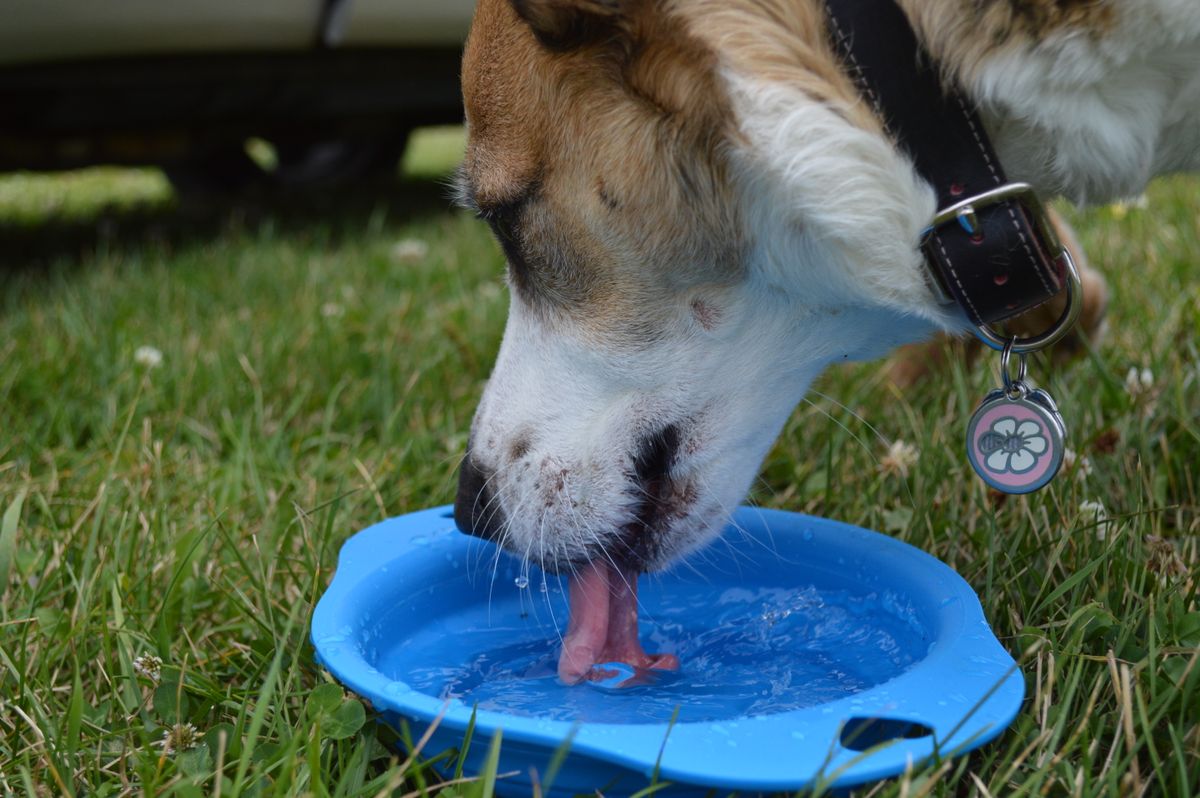
- Do not restrict water. Increased thirst is diagnostically useful and may be compensating for disease. Removing water to stop accidents can be dangerous.
- Log every episode. Time, location, sleeping vs. awake, squat/lift-leg posture, amount, frequency and whether the dog seemed aware.
- Watch a normal outdoor urination. Note stream strength, straining, repeated attempts and whether only drops appear.
- Track water intake if practical. Measure what goes into the bowl and what remains over 24 hours without changing normal access. Multiple pets make this less accurate.
- Record other signs. Appetite, weight change, vomiting, diarrhea, panting, genital licking, mobility, pain, medications and recent routine changes.
- Take a video when useful. A short clip of straining, posturing, gait difficulty or passive leakage pattern may help the veterinarian.
Should you bring a urine sample?
A fresh free-catch urine sample can be useful for some aspects of urinalysis. Merck recommends analyzing urine fresh; if you collect it at home, refrigerate it and tell the veterinarian exactly when and how it was collected.
But home urine does not replace a sterile culture sample. If bacterial cystitis is suspected, quantitative culture is the gold standard and cystocentesis—urine collected directly from the bladder—is the preferred collection method for culture because voided samples can be contaminated by the lower urinary/genital tract.
Call your clinic before collecting anything; they may prefer to obtain the sample themselves.
When is peeing in the house an emergency?
🚨 Emergency now
- repeated straining with little or no urine
- cannot urinate at all
- urinary signs plus collapse or severe weakness
- painful/distended abdomen with inability to urinate
- major neurologic weakness affecting bladder function
⚠️ Vet promptly
- blood in urine while still passing urine
- frequent painful urination
- new large increase in thirst/urine volume
- new passive leakage during sleep
- weight loss, vomiting, lethargy or appetite change
📅 Arrange evaluation
- new indoor marking in a housetrained adult
- recurrent accidents without other signs
- senior house-soiling or confusion
- accidents after a medication change
- suspected separation/excitement urination
Blood alone is not the same as complete obstruction. Bloody urine needs veterinary attention, but the most time-critical pattern is repeated effort with little or no urine production, especially if the dog is becoming painful or systemically ill.
What will the vet likely check?
The exact workup depends on the pattern, but commonly includes:
- history and physical examination, including bladder, genital, neurologic and mobility findings;
- urinalysis;
- urine culture when bacterial infection is suspected or needs confirmation;
- blood chemistry/CBC when increased thirst, systemic disease or medication effects are possible;
- blood glucose and other metabolic testing when indicated;
- abdominal imaging for stones, masses or structural disease when appropriate;
- endocrine testing if Cushing’s or another hormonal disorder is plausible;
- additional urinary/neurologic testing when true incontinence or voiding dysfunction is suspected.
Spayed female leaking urine while asleep: think pattern, not blame
Passive leakage while resting or sleeping in a previously housetrained spayed female is a classic pattern that should raise suspicion for USMI. Merck notes that USMI is the most common micturition disorder causing urinary incontinence in dogs and occurs most often in spayed females.
This is not a training failure. Treatment depends on the confirmed cause and can include medication or, in selected cases, interventional/surgical options. Do not start human hormones or decongestants on your own.
Senior dog suddenly having accidents
Do not jump directly to “dementia.” Senior dogs may soil indoors because they drink/urinate more from kidney disease or diabetes, cannot reach the door because of arthritis, have urinary incontinence, develop sensory decline, or experience cognitive dysfunction.
If there is also disorientation, nighttime waking, new fears, pacing or loss of learned behaviors, see Patify’s canine cognitive dysfunction guide. If mobility is changing, our dog limping and hidden-pain guide can help you document the pattern before the appointment.
What to do while you wait for the vet
- Offer more frequent toilet breaks based on your dog’s current need rather than a fixed “4–5 times per day” formula.
- Keep water freely available unless your veterinarian has given a specific medical restriction.
- Use washable bedding, waterproof covers or appropriately fitted dog diapers/belly bands as temporary management; change wet products promptly to protect skin.
- For senior or painful dogs, improve traction and shorten the route to the toilet area.
- Clean accidents thoroughly with a pet-safe odor-removing cleaner.
- Reward outdoor elimination when it occurs.
- Do not punish, scold or rub the dog’s nose in urine. Punishment does not treat infection, incontinence, urgency or anxiety and can add fear.
Frequently asked questions
Why is my housetrained dog suddenly peeing in the house?
A sudden change can come from lower urinary tract disease, increased urine production, true incontinence, pain/mobility problems, cognitive decline or behavior. In a previously reliable adult dog, a veterinary screen should come before retraining.
Does peeing in the house mean my dog has a UTI?
No. UTI is one possibility. Stones, sterile bladder inflammation, diabetes, kidney disease, Cushing’s, sphincter weakness, medications and behavioral causes can look similar. Urinalysis and sometimes culture are needed to sort them out.
My spayed female leaks urine in her sleep. What causes that?
USMI is an important possibility, particularly in spayed females. A veterinarian still needs to exclude infection, stones, neurologic disease and other causes before selecting treatment.
My dog is drinking much more and making huge puddles. Is that behavioral?
That pattern raises concern for increased urine production from conditions such as diabetes, kidney/liver disease, Cushing’s or medication effects. Do not restrict water; arrange veterinary testing.
My dog keeps trying to pee but only drops come out. Can it wait?
No. Repeated attempts that produce little or no urine can indicate obstruction or severe lower urinary tract disease. Seek urgent veterinary care; complete urinary obstruction is life-threatening.
Can I diagnose a UTI with a home urine strip?
No. Home strips cannot reliably identify the cause of house soiling or replace veterinary urinalysis/culture. Even bacteria seen in a nonsterile sample can reflect contamination.
Should I punish my dog for an accident?
No. First identify why the accident happened. Punishment can add fear and does not fix urgency, increased urine production, incontinence or separation-related distress.
Should I bring urine to the vet?
Ask the clinic first. A fresh refrigerated free-catch sample can help with some urinalysis questions, but a culture often requires a sterile cystocentesis sample for the most reliable interpretation.
Related Patify dog-health guides
Sources & editorial standard
This guide was revised around current veterinary urinary and behavior guidance. It distinguishes true incontinence from urgency, polyuria, marking and context-specific urination, and it avoids diagnosing UTI or “training regression” from accident location alone.
- Merck Veterinary Manual: Behavior Problems of Dogs – House Soiling
- Merck Veterinary Manual: Disorders of Micturition in Dogs and Cats
- Merck Veterinary Manual: Bacterial Cystitis in Small Animals
- Merck Veterinary Manual: Detecting Kidney & Urinary Tract Disorders in Dogs
- VCA Animal Hospitals: Dog Behavior Problems – House Soiling
- VCA Animal Hospitals: Urethral Incontinence in Dogs
- VCA: Testing for Inappropriate Urination
- VCA Animal Hospitals: Marking Behavior
Educational information only. Sudden changes in urination can reflect medical disease and cannot be diagnosed from an online checklist alone.
Track the pattern with Patify

Bring your vet a pattern, not just “he peed inside”
Record accident time, amount, location, sleeping vs. awake, water intake, outdoor urine stream, medications, appetite, weight and any pain or mobility changes.
View Patify on Google PlayBottom line
A sudden indoor accident is a symptom pattern, not automatically incontinence and not automatically bad training. Small frequent painful urinations, large-volume polyuria, passive leakage during sleep and small deliberate marks point in different directions. Rule out medical disease first, never restrict water to stop accidents, and treat inability to pass urine as an emergency.