
Dog Won’t Eat From the Bowl but Eats From Your Hand: Why and What to Check
Last updated:
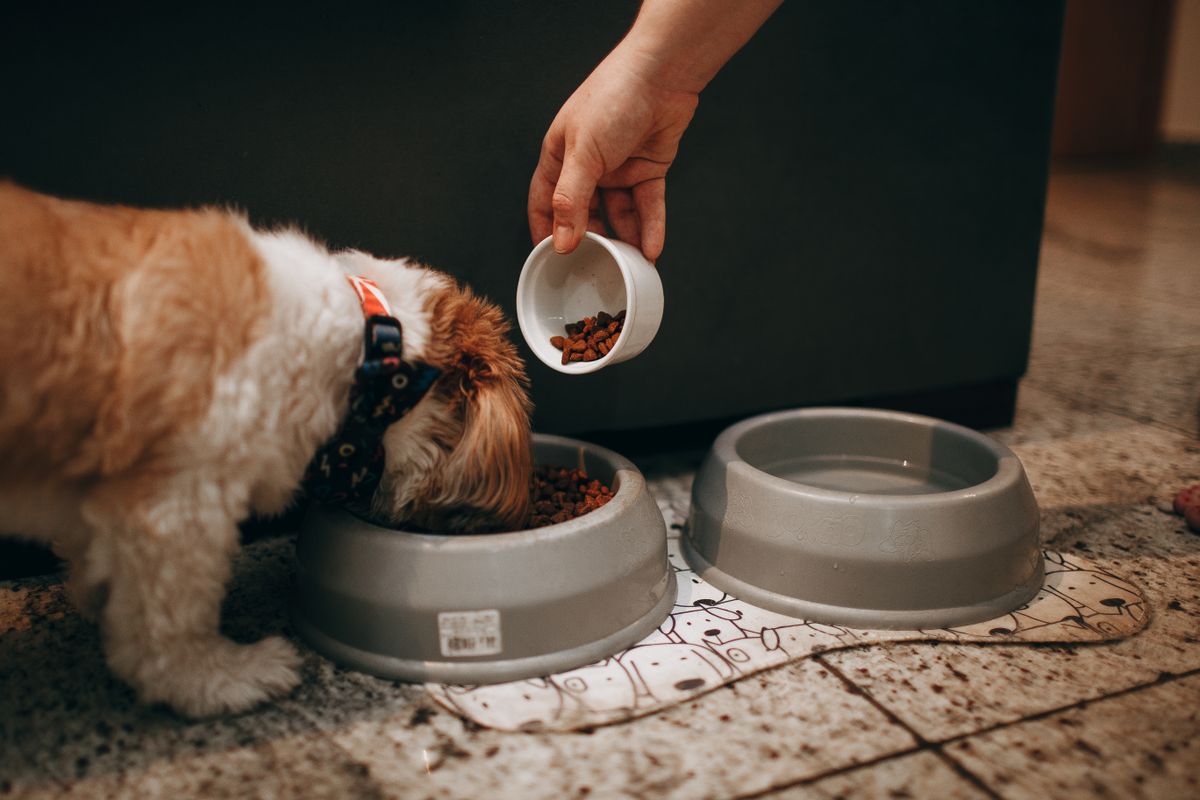
If your dog won’t eat from the bowl but eats from your hand, the feeding setup or a familiar routine may be part of the explanation. Pain and reduced appetite still need consideration. Hand-feeding changes several things at once: how food is presented, your dog’s posture, the pace of eating and your involvement.
The first question is whether your dog eats enough of their usual food comfortably, not simply whether they accept a bite. Veterinary assessment distinguishes a lack of appetite from wanting food but struggling to pick it up, chew or swallow. VCA: appetite loss and difficulty eating.
When to call your vet before changing the bowl
Seek emergency care for collapse, trouble breathing, inability to swallow, or repeated attempts to vomit with little or nothing coming up, especially with abdominal pain or swelling. The last pattern can indicate GDV, a rapidly developing emergency. ACVS: GDV warning signs.
Call promptly if your dog’s intake has suddenly dropped, eating appears painful, vomiting or marked tiredness accompanies the change, or they also refuse water. Contact your vet if an otherwise well adult dog has eaten nothing for about a day; do not wait for that point when other symptoms are present. Royal Kennel Club: when to seek advice.
Seek advice sooner for puppies, frail dogs and dogs with existing illness. If meals are linked to insulin or another medicine, contact the prescribing clinic for instructions when a meal is missed.
First, separate bowl refusal from low food intake
“They ate from my hand” can describe a complete meal or three pieces of kibble. Those situations deserve different attention. Measure what you offer and record what is left, including food dropped on the floor. Count treats, chews, table scraps and food used for medication separately.
For example, if an offered portion weighs 80 grams and your dog takes only 15 grams by hand, the meal was largely uneaten. Those numbers illustrate record-keeping; they are not a feeding recommendation.
| What happens | How to interpret it |
|---|---|
| Usual food is eaten comfortably in a full portion by hand | The presentation or routine may contribute. A new or persistent change still deserves attention. |
| Only treats or a few bites are accepted | This does not establish normal appetite or adequate nutrition. |
| Your dog approaches food but drops it or struggles to chew | Report a possible difficulty eating; do not treat the problem as a preference alone. |
| The same food is eaten from another dish in the same place | The original dish may contribute. Improvement is a clue, not a medical test. |
Also distinguish a longstanding habit from a sudden change. Tell your vet if a dog who previously ate independently now needs repeated encouragement, particularly if their weight or energy is changing.
Why a dog may eat from a hand but avoid the bowl
Mouth pain or difficulty reaching the food
Dental disease, a painful tooth or an injured mouth can interfere with eating. Dogs may conceal dental pain, and problems below the gumline can require a detailed examination and dental X-rays. Taking a small piece of food does not establish that chewing is comfortable. Merck: dental disease and hidden pain.
Report food dropping, unusual chewing, drooling, bad breath or resistance to mouth handling. Patify’s guide to dog tartar and dental warning signs explains what home observation can and cannot show.
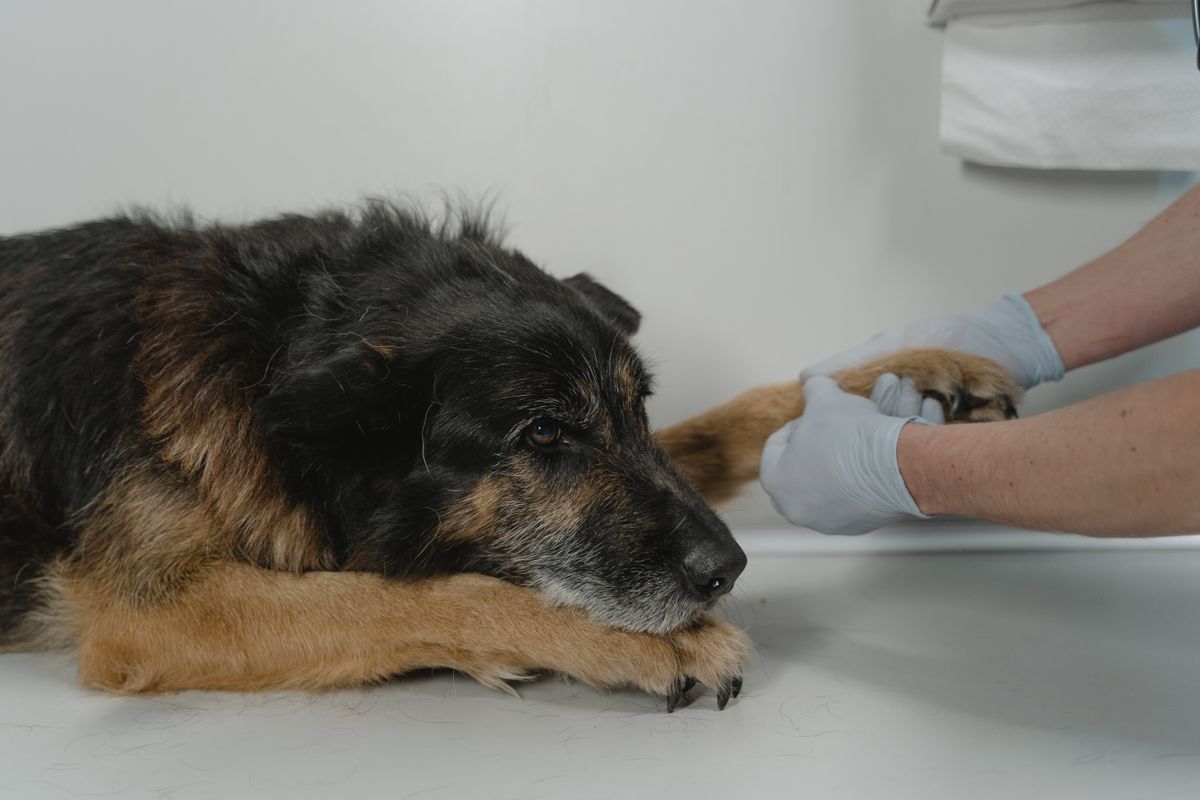
Pain elsewhere, including the back, can make reaching a floor-level dish uncomfortable. Notice reluctance to lower the head or stand for a meal without deliberately testing a painful movement. Ask your vet about an appropriate feeding position rather than assuming a raised bowl solves the cause. VCA: pain and access to food.
Nausea or another cause of reduced appetite
An unwell dog may accept a tempting bite while leaving most of a meal. Nausea, medication effects and other illnesses can reduce appetite, so hand-feeding success should not end the investigation when intake remains low. VCA: causes of reduced food intake.
Tell your vet about vomiting, lip licking, repeated swallowing or food coming back up. Patify’s guide to repeated swallowing and gulping explains those overlapping signs.
The bowl or its location is uncomfortable
A moving dish or a noisy, busy feeding area can make eating less appealing. The Royal Kennel Club’s feeding guidance specifically identifies bowl movement and location as possible reasons for eating by hand instead.
Watch for concrete details: does the dish slide when touched, do collar tags strike its rim, or does your dog retreat when an appliance starts? Note what actually happens rather than deciding that a particular bowl material must be frightening.
Your presence helps, or hand-feeding has become familiar
Changes in the home, visitors and disrupted routines can affect appetite. A quiet, familiar setting may help, and some anxious dogs find hand-feeding reassuring. VEG: environment and appetite.
In other cases, hand-feeding may have become the expected part of mealtime. Ask when it began: after illness, a move, a new pet, a bowl change or a period of extra encouragement? That history is more useful than labeling your dog stubborn or spoiled.
Eating only when you stay nearby does not, on its own, diagnose separation anxiety. Describe what happens when you move away and whether distress occurs outside mealtimes too.
Treats and repeated food upgrades are changing the pattern
Extra calories can reduce interest in meals, and repeatedly offering preferred alternatives can teach some dogs to wait for those options. Your vet can assess the daily portion against body condition, activity and the food’s energy content. VCA: feeding selective eaters.
Keep treats and toppers within the agreed feeding plan. As a general limit, VCA recommends that they supply no more than 10% of daily calories; some medical diets require tighter restrictions. A few appealing snacks should not replace a nutritionally complete diet.
A simple check for an otherwise well dog
Use these observations only when your dog is alert, swallowing normally and showing no pain or urgent signs. If the change is sudden or total intake is reduced, arrange veterinary advice alongside the checks.
1. Check food freshness and clean the dish
Check the packaging, storage conditions and manufacturer’s instructions. Discard spoiled food, wash feeding utensils after use and refrigerate or discard leftover wet food promptly. Wash your hands before and after handling food. FDA: pet-food handling and storage.
Use a clean, undamaged dish and rinse away detergent thoroughly. Do not compare old kibble in a bowl with freshly opened chicken in your hand: food preference and presentation have both changed.
2. Change one feature at a time
For a container comparison, offer a small amount of the same food in the same place using a stable, shallow, food-safe dish. For a location comparison, use the usual dish somewhere quiet. These are practical observations, not diagnostic tests.
Keep a note of what changed and how much was eaten. If you change the food, bowl, location and your distance at once, a better meal will not tell you which change mattered. There is no need to put an uncomfortable setup back to prove a point.
3. Remove competition and watch from a comfortable distance
Give each pet a separate feeding space and prevent children or other animals from interrupting. If your dog stiffens, stops eating as you approach, growls or guards the dish, give them space. Do not take the bowl away or put a hand into it to test the response. VCA: recognizing and managing food-related aggression.
Ask for qualified behavior support when guarding is present. Hand-feeding is not an established treatment for food guarding and can increase frustration in some dogs.
How to move toward independent eating
Once medical concerns have been addressed and intake is adequate, you can try the gentle progression below. It applies the general principle of making small changes while the dog remains comfortable; it is not a treatment protocol for a diagnosed anxiety disorder. VCA: gradual exposure and positive associations.
- Begin with the dish your dog accepts. A suitable plate can remain the feeding dish; there is no requirement to use a deep bowl.
- Place a few pieces down, then withdraw your hand. Let your dog choose to approach. Do not push their muzzle toward the food.
- Offer more of the meal this way as comfort improves. Stay at a distance your dog already accepts and avoid reaching over them while they eat.
- Reduce your involvement gradually. Change your position or distance a little at a time after comfortable meals. Pause if your dog becomes worried or eats less.
Do not use this progression with guarding or painful eating. If progress stalls, return to a comfortable arrangement and seek advice rather than making hunger the training method.
Keep nutrition consistent during the transition
Measure the day’s food so hand-fed pieces come from that allowance. Keep the household’s approach consistent and avoid replacing each refused meal with a succession of richer foods. Follow a meal schedule appropriate to your dog’s age and health. VCA: portions, routines and feeding choices.
Temporary hand-feeding may be part of a veterinarian’s recovery plan. If it is currently helping maintain intake, ask how to reduce that support safely. Do not abruptly remove prescribed feeding assistance or alter a therapeutic diet to enforce bowl use.
Never force food into the mouth or syringe-feed without veterinary instruction. If your dog coughs, gags, struggles to swallow or brings food back up, stop offering food and contact your vet for guidance.
What to bring to the vet
Bring a short record of food offered and eaten, the food label, all treats and medicines, and the date the behavior changed. A video of a normal feeding attempt can help; avoid staging an episode that causes distress.
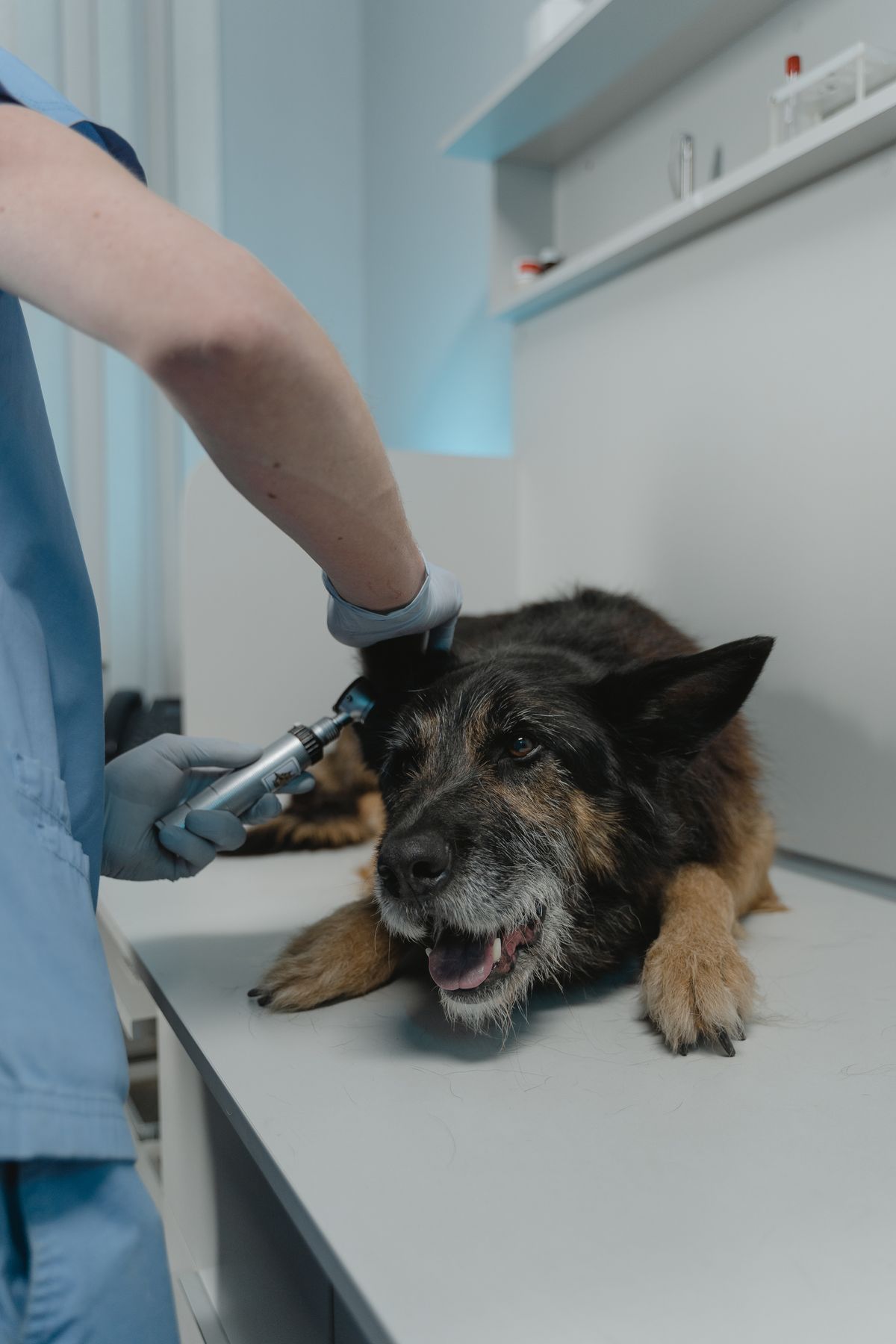
Your vet may examine the mouth, assess pain and body condition, and investigate other illness based on the history and examination. Testing and treatment should follow the findings. VEG: investigating appetite changes.
Ask what amount of food your dog should receive, which feeding method is appropriate while recovering, and when to report continued low intake. Successful progress means comfortable eating and adequate nutrition, whether the final setup uses a bowl or a suitable plate.
Frequently asked questions
Why will my dog eat the same food from my hand but not the bowl?
The bowl, its position, the surroundings or your presence may affect how comfortable eating feels. Taking the same food by hand is a useful clue, but it does not rule out pain or reduced appetite. Check total intake and arrange an examination if this is a sudden or persistent change.
Does eating treats mean my dog is just being picky?
No. A dog with reduced appetite may still accept a preferred treat. Treat acceptance also does not show that your dog is eating enough complete food. Record everything eaten and report a sudden change, ongoing low intake, weight loss or other symptoms to your vet.
Should I stop hand-feeding and wait until my dog gets hungry?
Do not use prolonged food withholding to force bowl use. First establish that your dog is well and eating enough. Then work toward independent eating gradually, with a consistent feeding plan. Puppies and dogs with medical or nutritional needs require individualized advice.
Is a plate better than a bowl for a dog who refuses food?
A stable, shallow, food-safe dish is a reasonable option to try in an otherwise well dog. Keep the food and location unchanged for that comparison. Easier eating from a plate suggests the setup matters, but persistent discomfort still needs veterinary assessment.