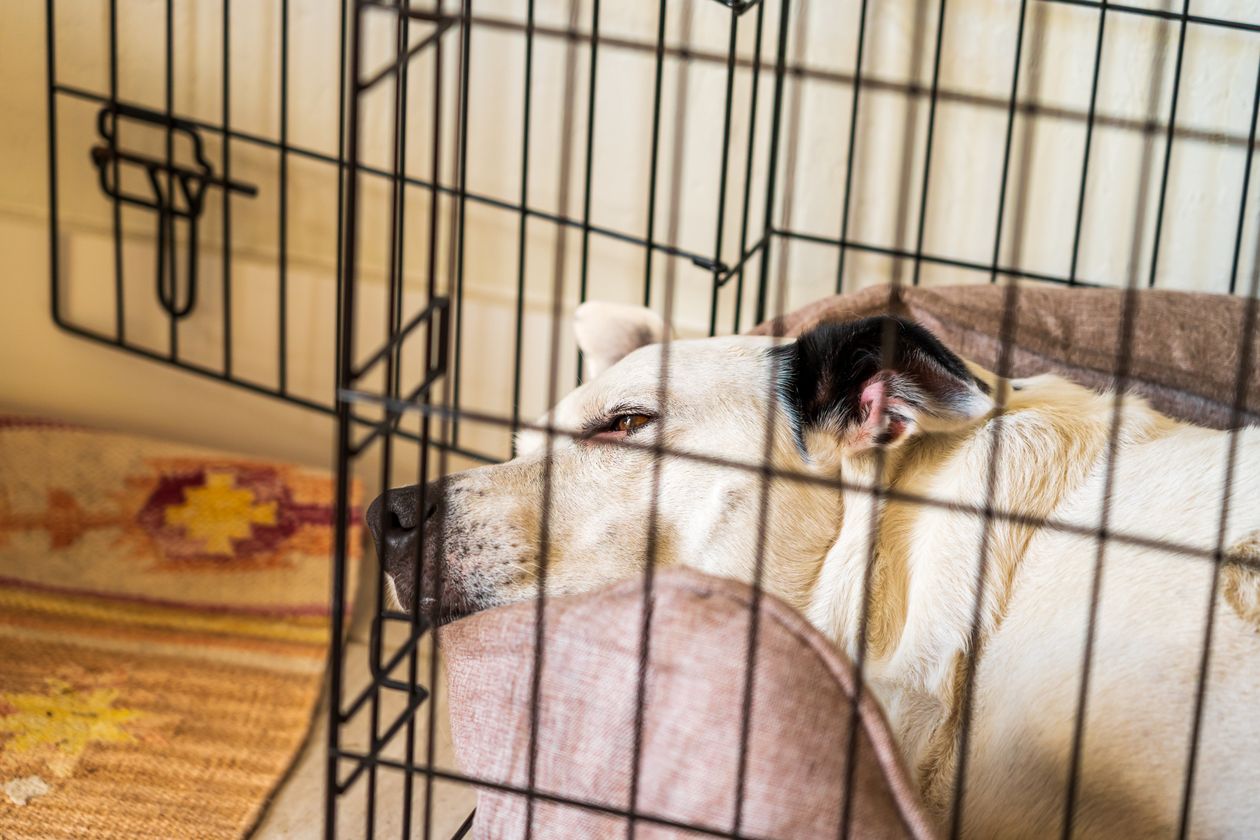
Puppy Crate Training Schedule: Day, Night & Potty Routine
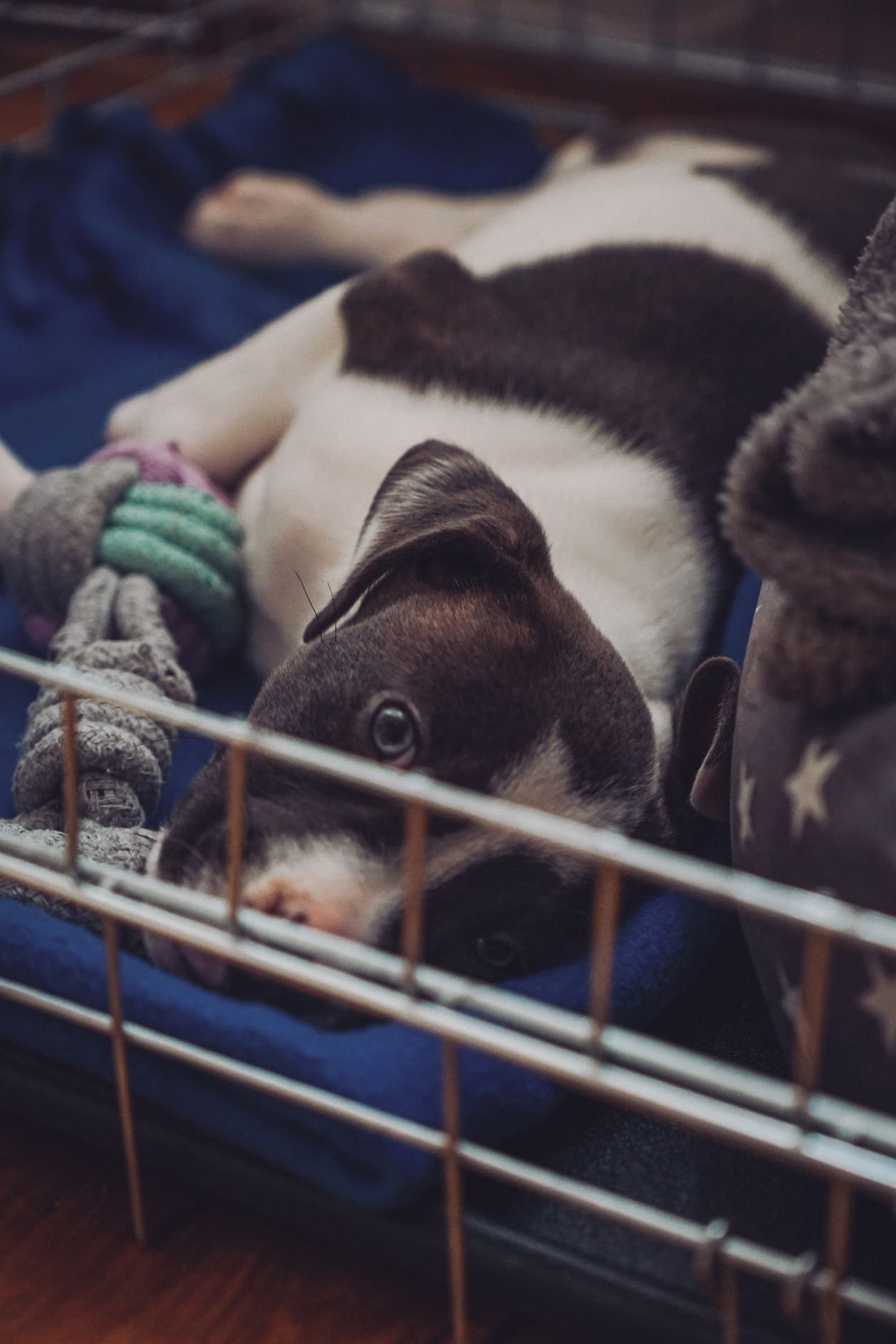
A practical puppy crate schedule built around potty breaks, meals, naps, short crate periods and nighttime needs—without treating bladder-capacity formulas as crate-time goals.
14 min
Read38
221 articles found • Page 5 of 25
A practical puppy crate schedule built around potty breaks, meals, naps, short crate periods and nighttime needs—without treating bladder-capacity formulas as crate-time goals.
Crate train an older or rescue dog with voluntary entry, gradual door work, short departures and clear distress stop-signs—without treating the crate as a cure for separation anxiety.
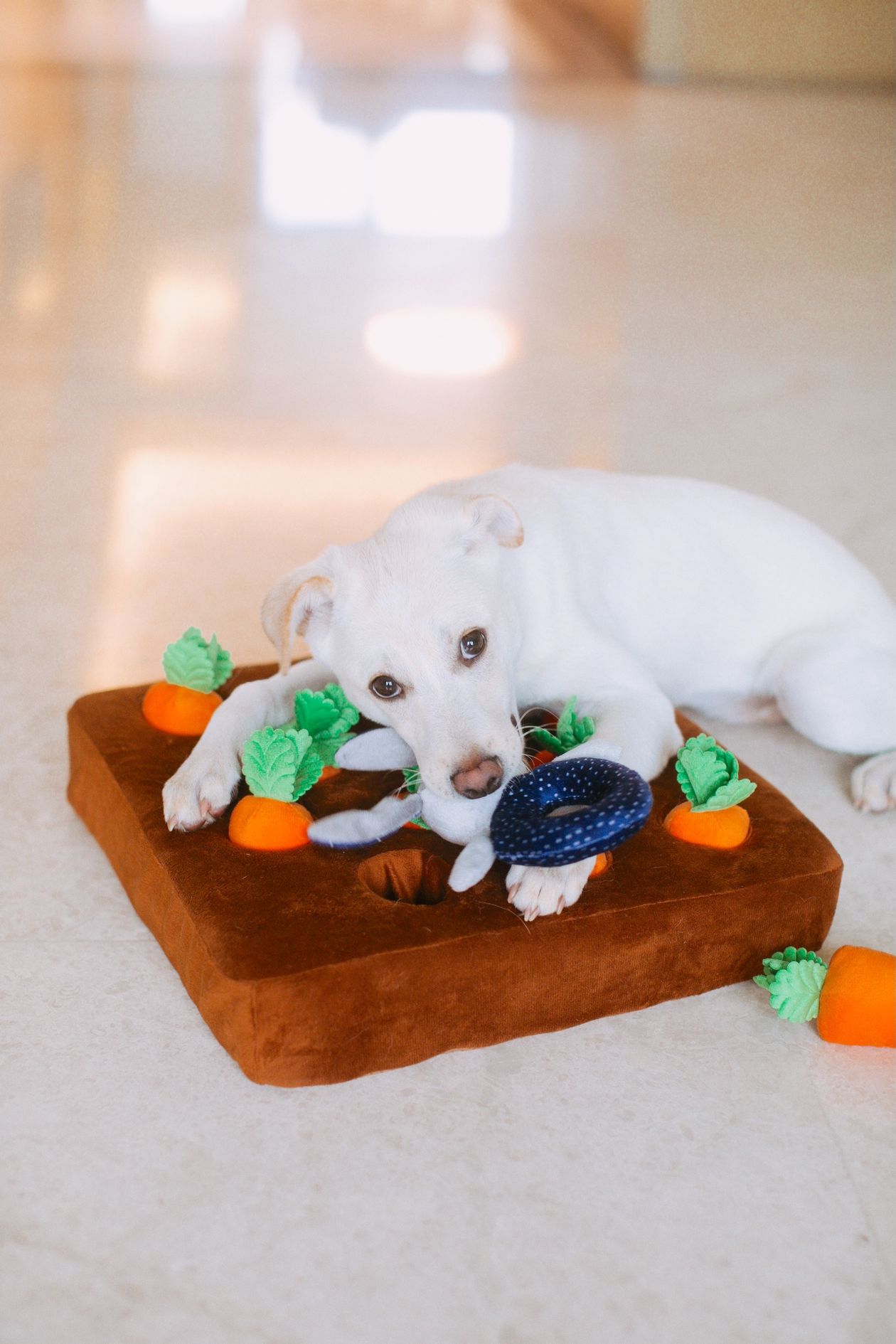
24 dog enrichment ideas organized by time, space and difficulty, including sniffing, food puzzles, training, movement, DIY safety and a simple weekly rotation.
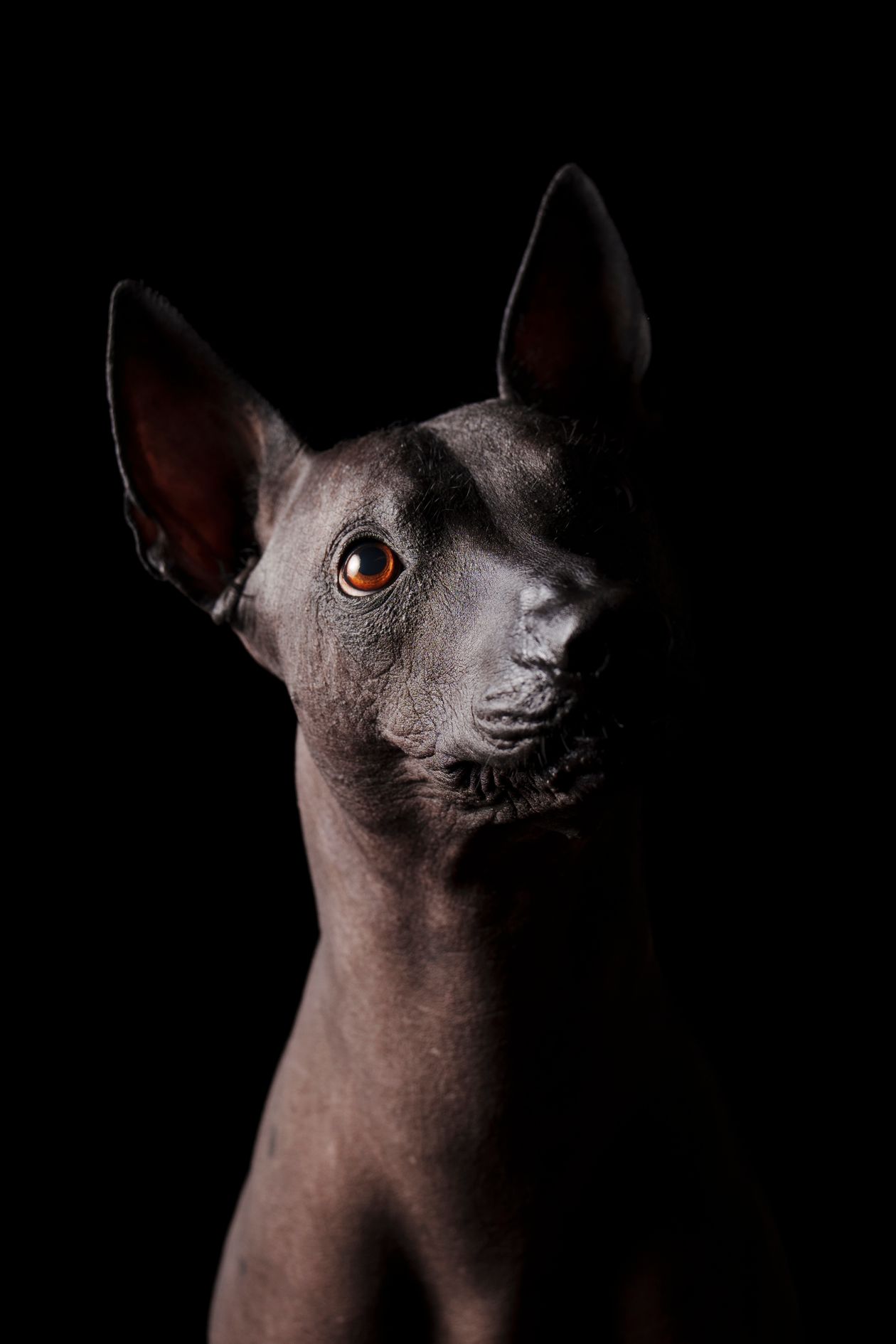
Compare Xoloitzcuintli, Chinese Crested, American Hairless Terrier and Peruvian Inca Orchid by size, genetics, skin care, temperament and allergy realities.
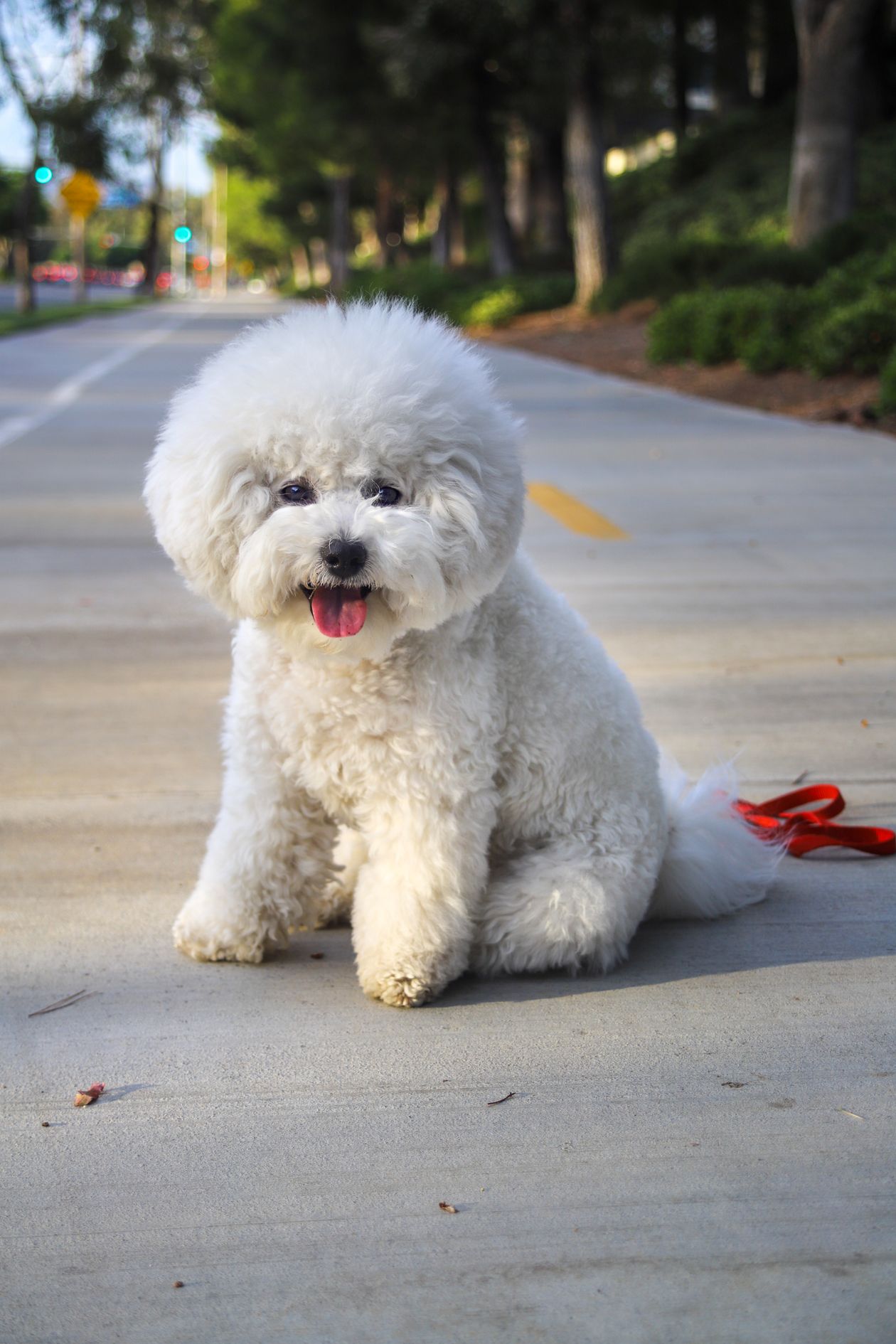
Trying to identify a small white dog? Compare Maltese, Bichon Frise, Westie, Coton, Bolognese, Japanese Spitz, American Eskimo, white Poodle and Havanese by coat, ears, size and lifestyle.
A reward-based plan for excessive barking: identify the trigger, manage the environment, train a quiet alternative and know when barking needs veterinary or behavior help.
Trying to identify a big white fluffy dog? Compare Great Pyrenees, Samoyed, Kuvasz, Maremma, Akbash, Polish Tatra, White Shepherd and Komondor by size, ears, tail, coat and lifestyle.
A Pitbull Lab mix can be athletic, affectionate and powerful—but “Labrabull” is not a standardized breed. Learn what size, behavior and care you can reasonably expect, what appearance cannot prove, and how to judge the individual dog.
Looking for a calmer dog? Compare lower-energy breeds by size, activity style, grooming and real-world home fit, with an important warning about confusing calm temperament with health-related exercise intolerance.